

Hunting doesn’t have to be expensive to be effective. Building a reliable setup is less about chasing high-end features and more about making smart, intentional choices. Many outdoor enthusiasts overspend on gear they rarely use, while overlooking practical essentials that directly improve comfort, safety, and overall efficiency in the field.
A well-balanced setup prioritizes durability, adaptability, and real-world functionality. From setting up camp to managing long days outdoors, knowing where to invest — and where to save — makes a meaningful difference. Whether you’re preparing for your first season or refining an existing kit, thoughtful gear selection allows you to stay comfortable, prepared, and confident without unnecessary expense.
Outdoor preparation is not just about the gear you buy — it’s about the mindset behind every decision you make. Too often, people fall into the trap of chasing trends, expensive upgrades, or brand names instead of focusing on what truly supports their time outdoors.
A reliable setup is built with intention. Each piece of equipment should serve a clear purpose, working together to support comfort, mobility, and adaptability in real conditions. When choices are guided by environment and experience rather than marketing hype, performance improves naturally and unnecessary spending disappears.
Many enthusiasts overspend on features they rarely use while overlooking fundamentals that directly affect comfort and efficiency. Weight balance, durability, weather resistance, and ease of use matter far more than flashy add-ons. Understanding this balance makes it possible to build setups that feel natural, dependable, and ready for long days outside.
True effectiveness comes from consistency. A thoughtful setup reduces fatigue, increases confidence, and allows you to focus on the experience itself — whether that means resting at camp, preparing for the day ahead, or adapting to changing conditions. Smart preparation always pays off in comfort, reliability, and peace of mind.

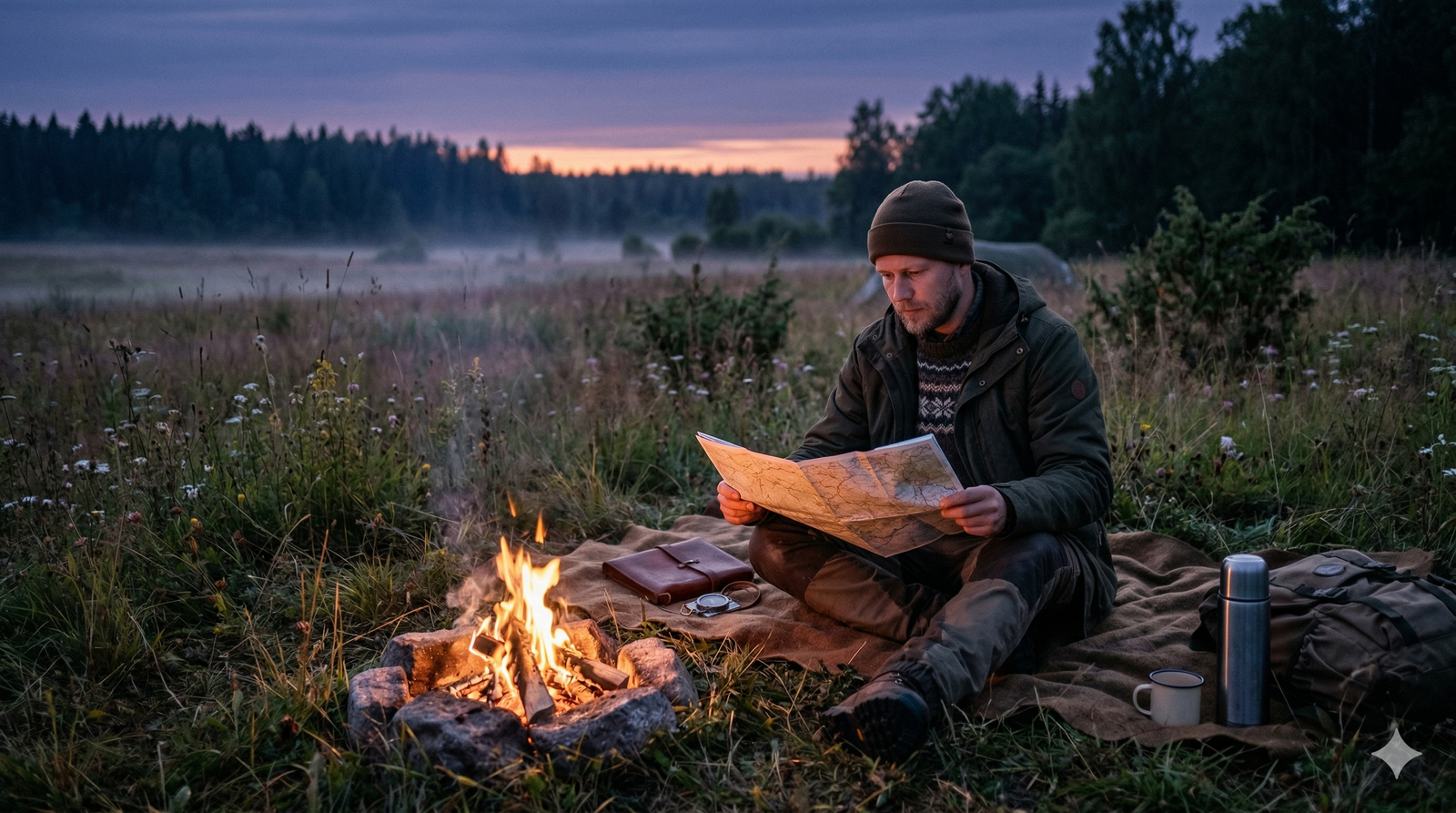
Smart outdoor decisions are built on understanding trade-offs. Not every option that looks attractive delivers real value in real conditions, and choosing less is not the same as losing effectiveness. Knowing when to invest effort and when to hold back creates balance and prevents unnecessary complexity.
Discipline plays a key role in building reliable setups. It’s easy to be drawn to features that promise convenience or upgrades that look appealing, but real outdoor use rewards practicality. Equipment must function consistently under pressure, adapt to changing environments, and remain manageable over time without becoming a burden.
There are moments when simplicity produces better results. Lighter systems, versatile tools, and proven essentials often outperform setups overloaded with rarely used additions. Prioritizing function over impulse helps ensure that every choice supports efficiency and long-term reliability.
Ultimately, effective setups are guided by intention rather than excess. By focusing on what truly contributes to performance and letting go of what doesn’t, outdoor systems become more dependable, adaptable, and aligned with real-world demands.
Smart outdoor preparation isn’t about carrying more gear,
it’s about choosing what truly works,
and relying on it when conditions demand more.
In the pursuit of better outcomes, discipline often matters more than impulse. Decisions driven by convenience or short-term comfort can quietly weaken long-term performance, even when they seem appealing at first. What truly endures is not what feels easiest in the moment, but what proves reliable over time.
Real effectiveness comes from the ability to pause, observe, and choose with intention. When options are abundant, it’s tempting to prioritize immediacy and ease, yet meaningful progress often requires restraint—accepting effort now to avoid greater limitations later.
Those who succeed consistently understand this balance. By setting aside short-term gratification and focusing on purpose-driven choices, they build systems that remain dependable in real conditions. This mindset reduces setbacks, strengthens confidence, and ensures that every decision supports outcomes that truly matter.







0 Comments