
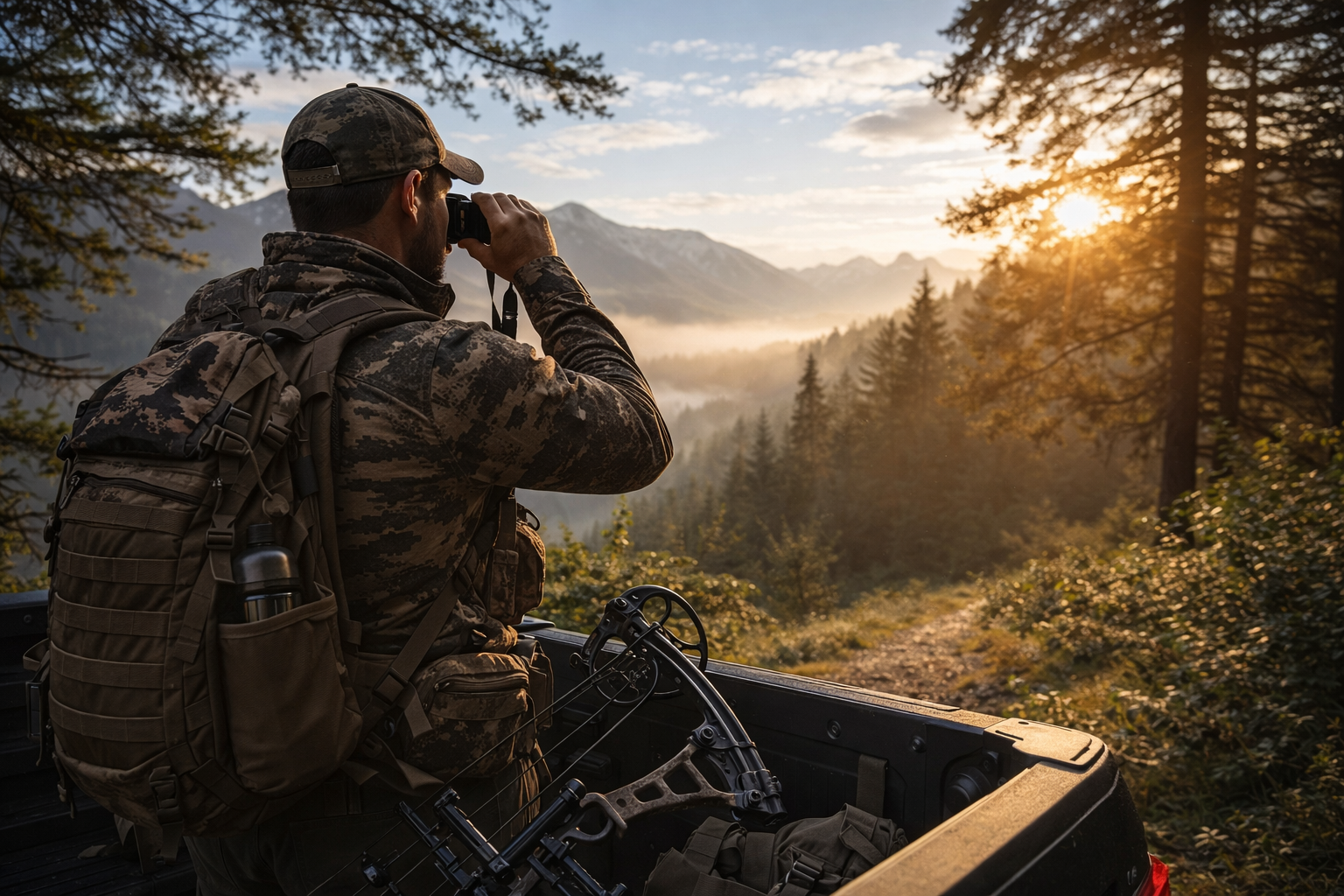
Hunting Gear for Every Season
Hunting gear for every season should help you adapt to weather, terrain, visibility, and field conditions without carrying unnecessary equipment. A spring scouting trip, a hot early-season outing, a cold late-season hunt, and a wet mountain route all require different preparation, but the core priorities stay the same: safety, comfort, organization, observation, and reliable field tools.
The safest approach is to build a seasonal system instead of a single overloaded pack. Start with the conditions you expect, confirm local rules, and choose gear that supports movement, visibility, warmth, and practical decision-making in the field.
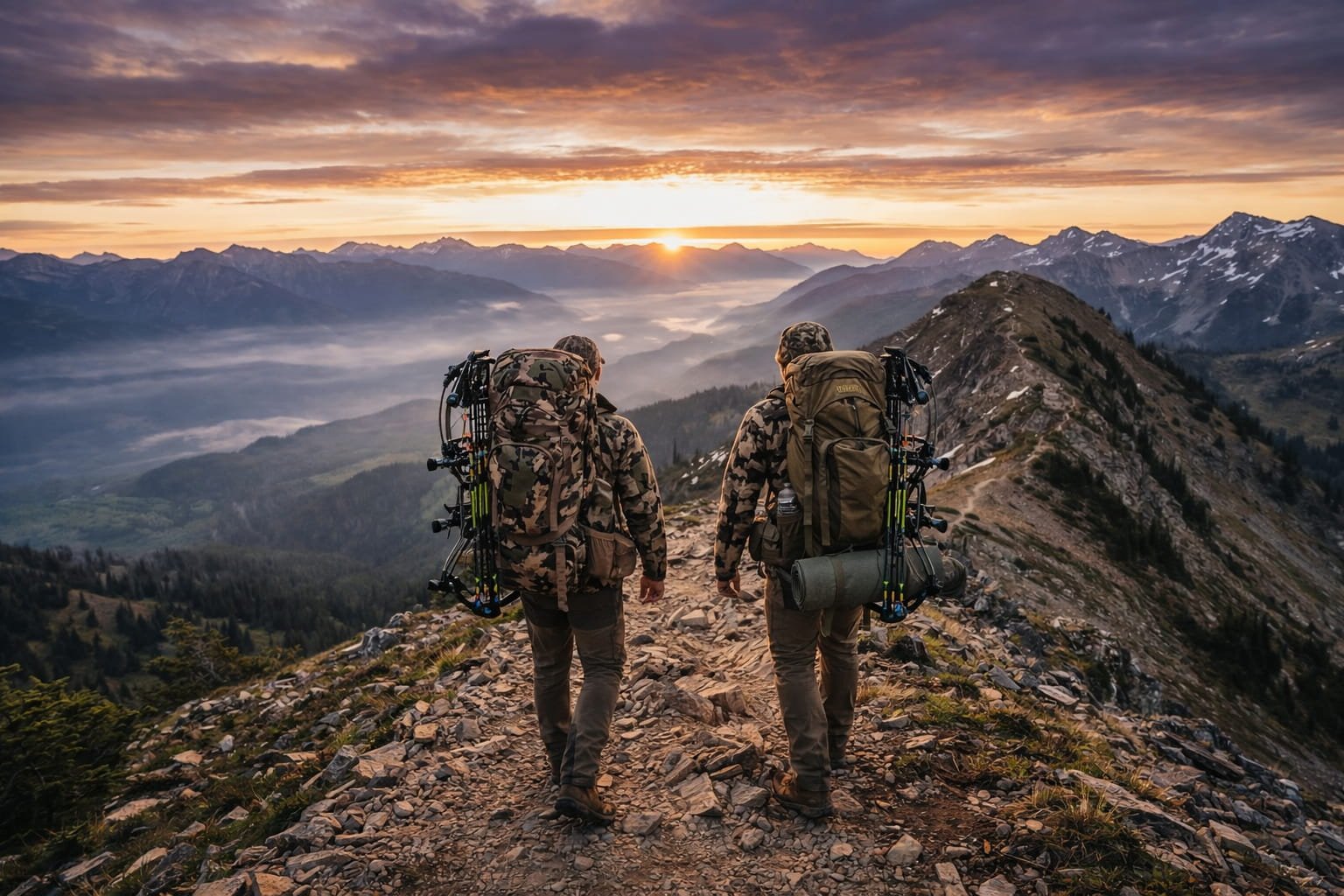
Seasonal Hunting Gear Priorities
Spring and Early-Season Preparation
Early-season conditions often bring changing temperatures, wet ground, and longer daylight. Prioritize breathable layers, waterproof storage, reliable footwear, and a clean organization system. A simple checklist helps keep licenses, first-aid basics, navigation, water, and weather protection ready before the trip.
Warm Weather and Long Field Days
Warm weather hunting requires moisture control, sun protection, hydration, and quiet movement. Lightweight layers and organized storage are more useful than excess gear. When choosing field equipment, compare options in the Hunting Gear category based on the terrain, local rules, and the time you expect to spend outside.
Cold Weather, Low Light, and Visibility
Late-season hunts can demand insulation, gloves, spare socks, and stronger visibility planning. Observation tools should match your legal use case and environment. 4K night vision binoculars may support scouting or low-light observation where allowed and appropriate.
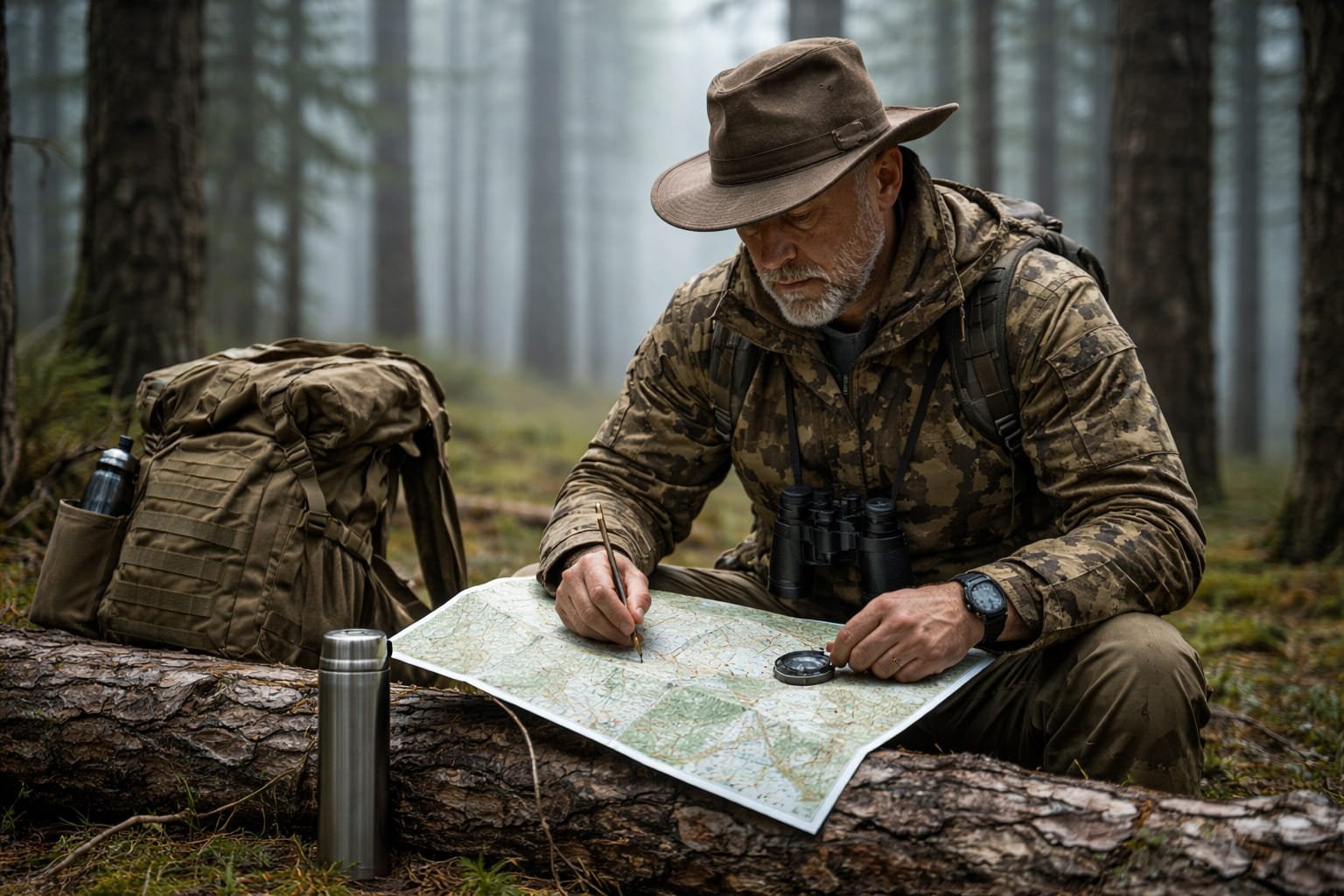
Hunting Gear for Every Season Checklist
Use this checklist as a seasonal planning filter:
- Safety and compliance: licenses, permits, visibility gear, first-aid basics, and emergency contact plan.
- Weather protection: layers, rain shell, gloves, spare socks, and sun or cold protection.
- Navigation and planning: map, compass, offline route, check-in plan, and terrain notes.
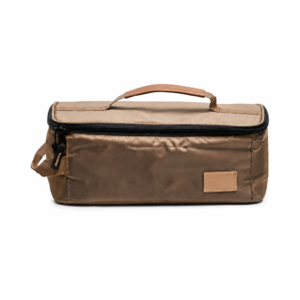
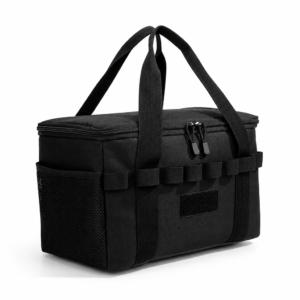
- Field tools: utility gear, storage pouch, repair items, water access, and pack organization.
- Hunting equipment: optics, bow or field gear, accessories, and maintenance items matched to the season.
Archery and Field Equipment Choices
Archery setups should match your experience, local regulations, and physical comfort. A hunting bow set can support a practical starter archery setup, while the Sanlida Dragon X7 hunting bow may fit hunters comparing a more advanced bow platform. Always confirm draw weight, fit, and legal requirements before relying on any equipment in the field.
Seasonal Gear Maintenance
After each trip, clean mud from footwear, dry wet layers fully, inspect straps and zippers, and recharge or replace batteries before storage. Seasonal hunting gear lasts longer when it is maintained between outings instead of packed away dirty or damp. Keep a small note of what worked, what stayed unused, and what needs replacement before the next season starts.
Final Thoughts
Seasonal hunting preparation works best when it stays practical. Choose gear for the weather, terrain, and legal conditions you actually face. Review your setup before each trip, remove items you do not use, and keep the essentials easy to reach.
Build Your Seasonal Hunting Setup
Start with the season, then build around terrain, weather, safety, and legal requirements. For a lower-cost approach, review Budget-Friendly Hunting Gear before adding specialized equipment.

0 Comments