Budget-Friendly Hunting Gear for Practical Field Readiness
Budget-friendly hunting gear should help you build a dependable field setup without buying unnecessary equipment. The goal is not to choose the cheapest item in every category. It is to prioritize gear that supports safety, organization, visibility, basic utility, and the type of hunting or scouting you actually plan to do.
A practical hunting setup starts with clear decisions: where you hunt, how long you stay out, what weather you expect, and which items need to be within reach. When every piece has a role, your kit becomes easier to carry, easier to maintain, and less likely to fail when conditions are less comfortable.
Good hunting preparation is not about owning the most expensive equipment; it is about carrying dependable items that match the field conditions. A budget setup should cover safety, storage, observation, and utility first, then leave specialized upgrades for later.
What Budget Hunting Gear Should Prioritize
Safety, Storage, and First-Aid Organization
Safety and organization should come before upgrades that only look impressive. A tactical medical pouch can help keep basic emergency items, small tools, and field essentials organized in one place. The best budget gear is easy to access and simple to inspect before each trip.
Utility Tools for Common Field Tasks
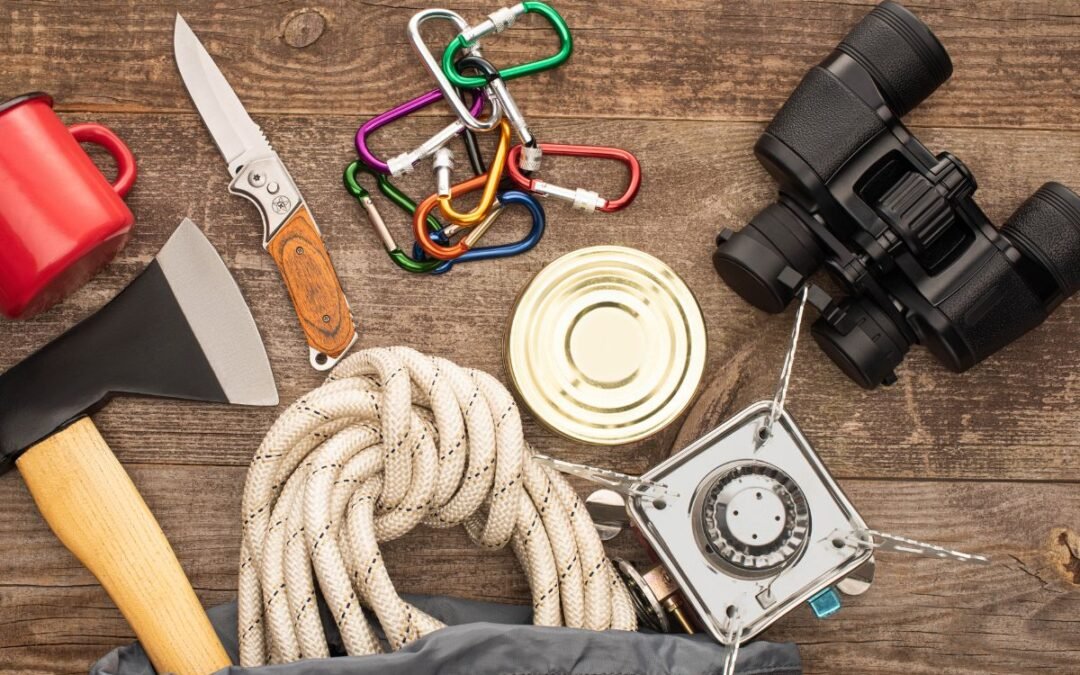
Useful tools should solve common problems without adding unnecessary bulk. A folding survival knife can support cord work, packaging, food prep, and small utility tasks when carried responsibly. Choose tools you can maintain and use confidently rather than collecting items that stay buried in a pack.
Visibility, Optics, and Archery Planning
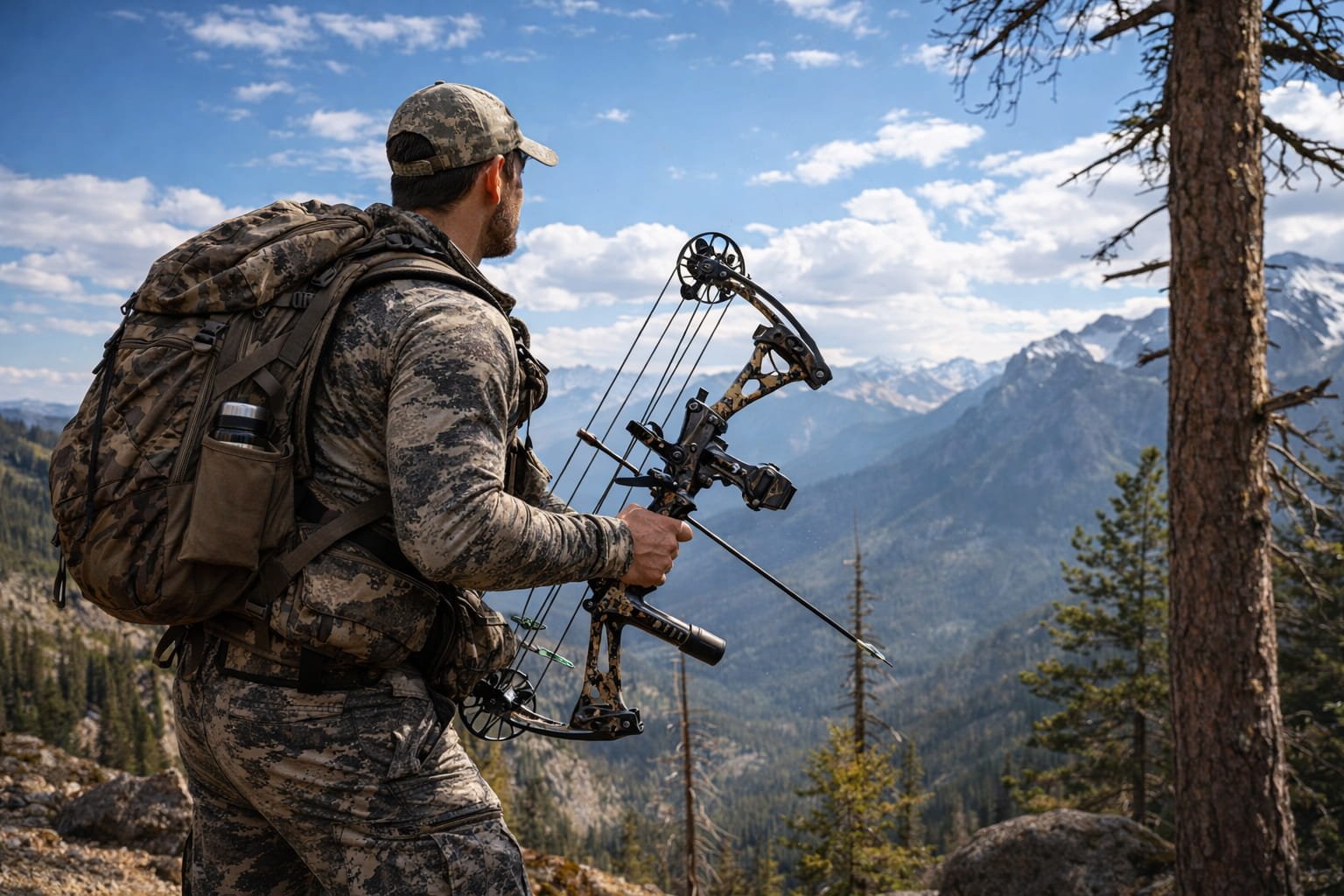
Optics and hunting equipment should match your legal use case, skill level, and environment. 4K night vision binoculars may support low-light observation where allowed and appropriate. For archery-focused setups, compare options such as a hunting bow set or the Sanlida Dragon X7 hunting bow based on experience level, draw weight needs, and local regulations.
Budget-Friendly Hunting Gear Checklist
Use this checklist to keep the setup focused before spending more:
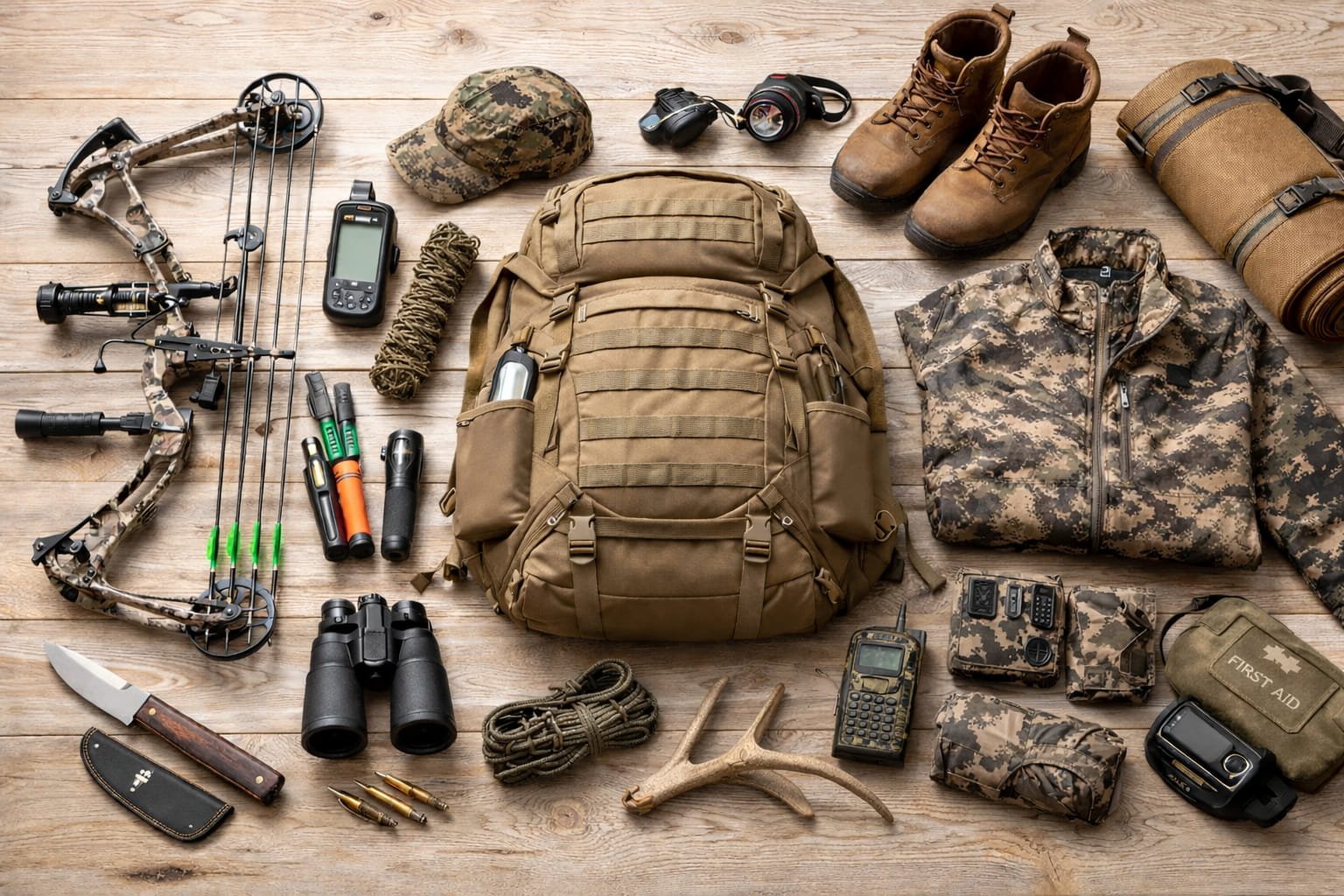
- Safety: first-aid basics, visibility items, emergency contact plan, and required licenses or permits.
- Organization: pouch, pack, labeled storage, and a simple layout for frequently used items.
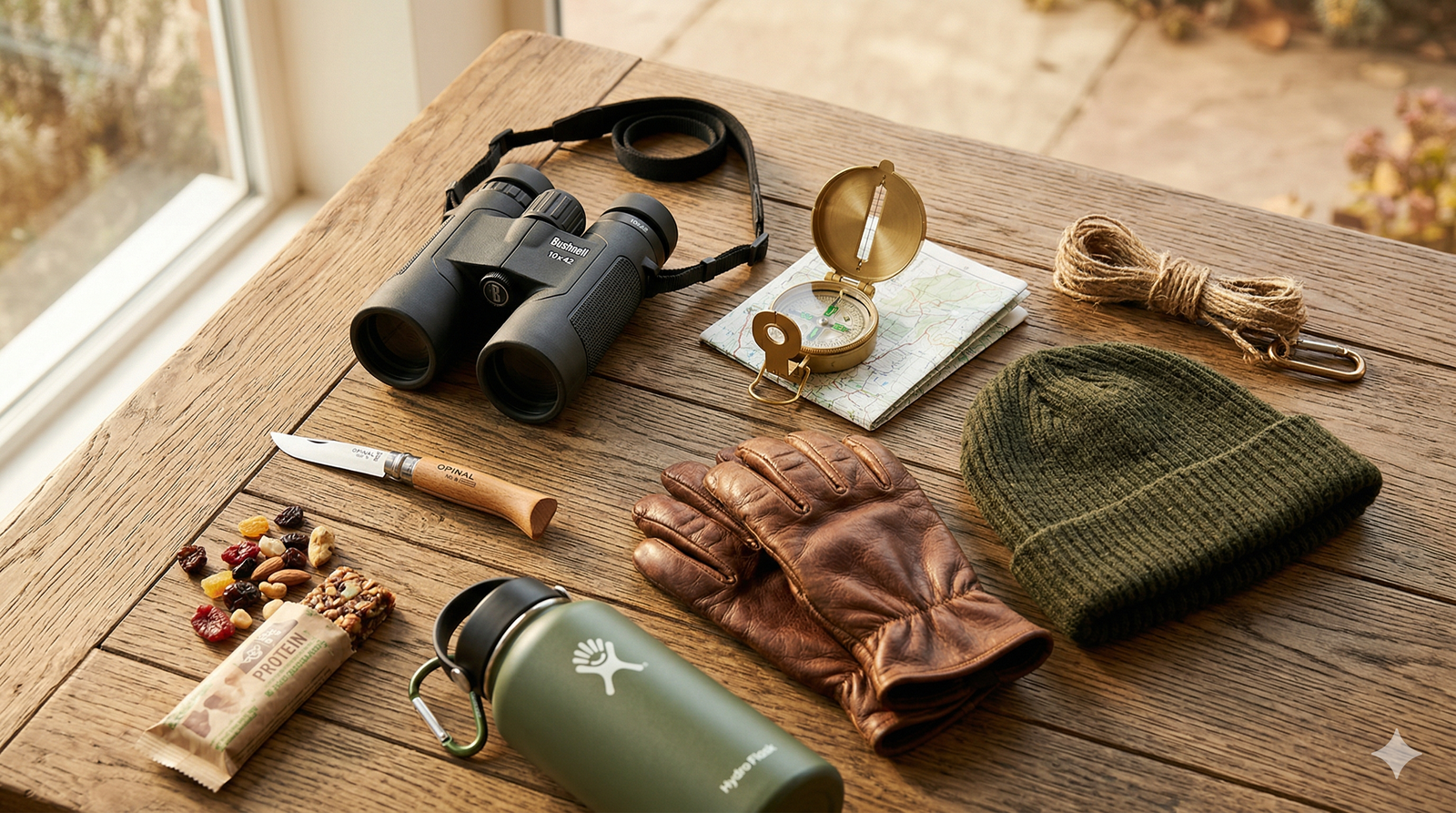
- Utility: knife or multi-tool, gloves, repair tape, cordage, and weather-ready layers.
- Observation: binoculars or optics suited to the terrain and legal conditions.
- Hunting-specific gear: bow, accessories, or field tools matched to skill level and local rules.
Where to Save and Where to Spend
Save money on items where simple construction is enough, such as basic storage, backup clothing, and small organization pieces. Spend more carefully on anything that affects safety, comfort, or reliable field performance. That includes first-aid organization, optics you depend on, weather protection, and tools you may need when conditions are changing.
Avoiding Cheap Gear That Fails in the Field
Low cost is useful only when the gear still performs its job. Avoid items with unclear materials, poor fit, weak stitching, uncomfortable carry, or features you do not need. Spend more carefully on items that affect safety, comfort, and reliability. Save money by keeping your kit simple, maintaining what you own, and replacing only the pieces that limit your field readiness.
Final Thoughts
Budget-friendly hunting gear works best when it is practical, organized, and selected for real conditions. Start with safety, storage, utility, and dependable basics. Then add specialized gear only when it supports the way you actually hunt, scout, or spend time outdoors.
Build a Smarter Hunting Setup
Keep the kit focused, avoid unnecessary upgrades, and use the Ultimate Hunting Gear Checklist as a planning reference before adding more equipment.


0 Comments