Fishing Gear Basics for a Practical Starter Setup
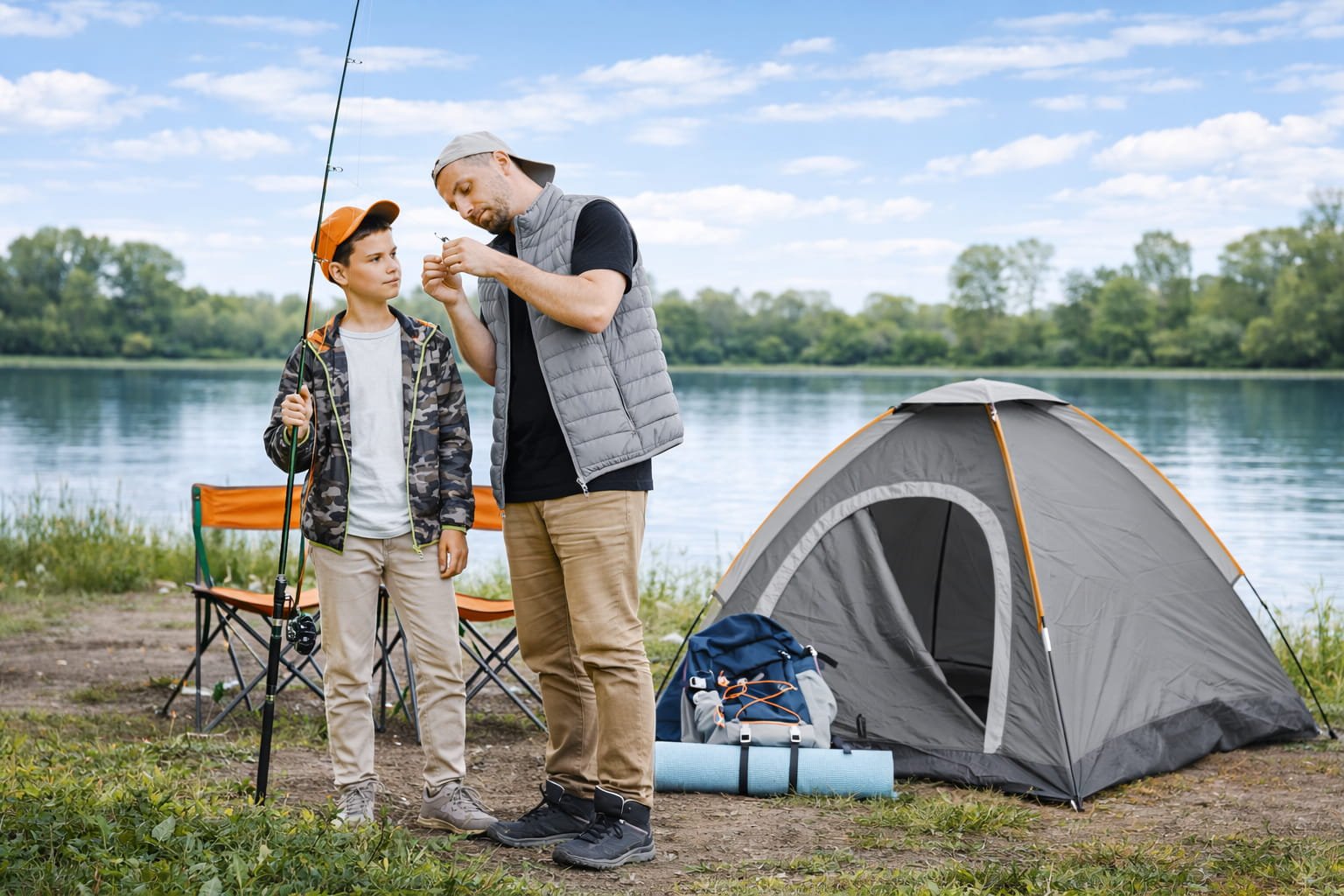
Fishing gear basics begin with matching your equipment to the water, the species, the season, and your comfort level. A beginner does not need a complicated setup, but the right core gear makes the day easier: a suitable rod and reel, line, hooks, lures or bait, storage, clothing, and safety items for the environment.
Good fishing preparation is about control and organization. If your tackle is easy to find, your clothing fits the conditions, and your tools are ready before you reach the water, you can focus on casting, reading the area, and adjusting your technique instead of searching through loose gear.
Essential Fishing Gear Categories
Rod, Reel, Line, and Tackle
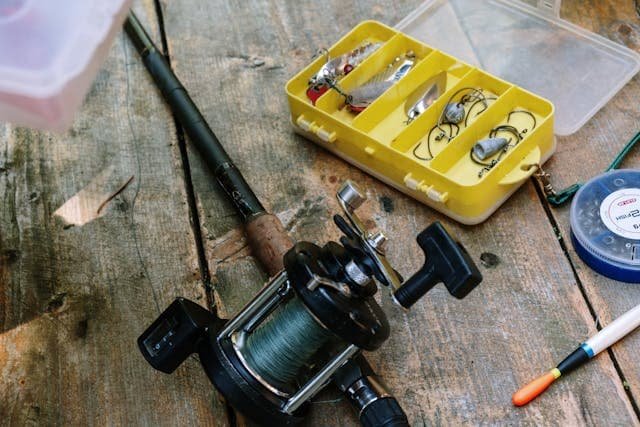
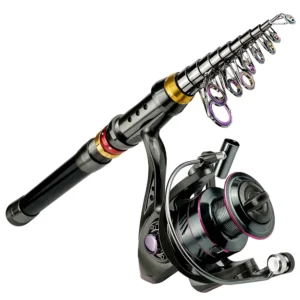
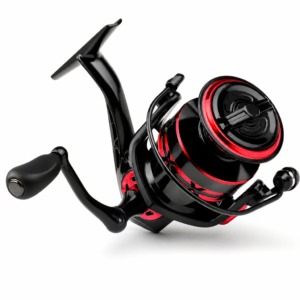
Start with a rod and reel combination that fits the kind of fishing you plan to do. Lighter setups work well for smaller freshwater fish, while heavier setups may be needed for larger species or stronger current. Keep your line, hooks, sinkers, floats, and lures organized so you can adapt quickly when conditions change.
Storage and Tackle Organization
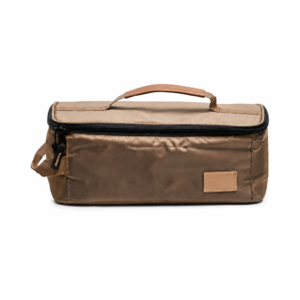
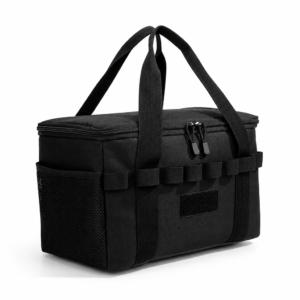
Fishing becomes smoother when your gear has a clear place. A fishing tackle backpack can help organize lures, tools, spare line, personal items, and small accessories while keeping your hands free. This is especially useful when walking between banks, docks, or trail-access fishing spots.
Waders, Clothing, and Water Access
If you fish in streams, shorelines, or shallow areas, protective clothing matters. Fishing chest waders can help keep you dry when you need to step into the water, but they should be matched to the temperature, depth, and current. Always prioritize footing, visibility, and safe water access over reaching a difficult spot.
Fishing Gear Basics Checklist
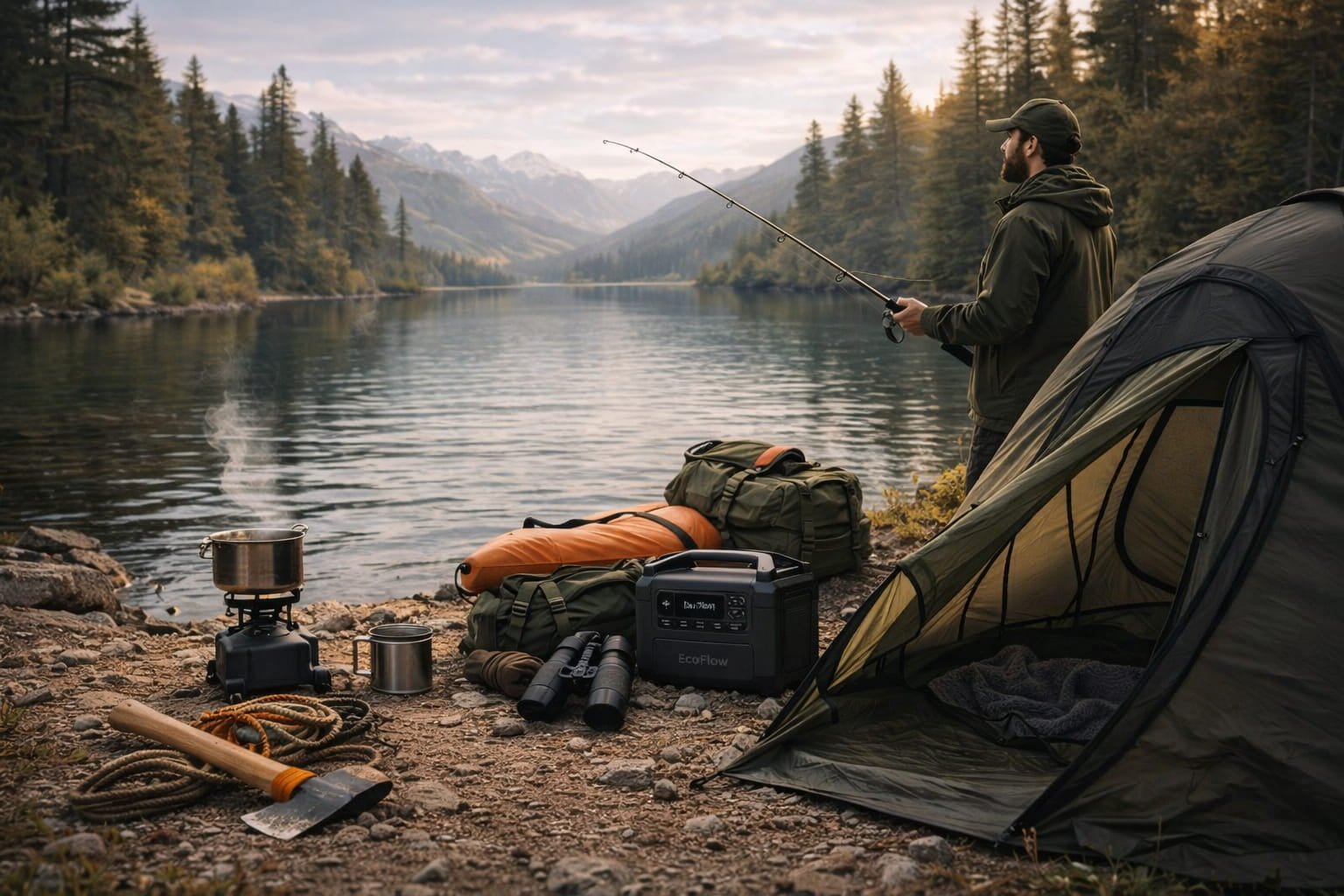
Use this simple checklist before heading out:
- Core setup: rod, reel, line, hooks, lures or bait, and basic terminal tackle.
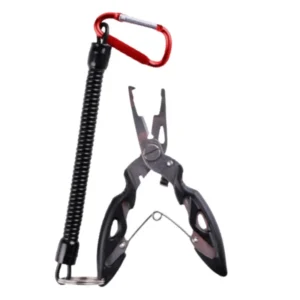
- Organization: tackle box or backpack, pliers, line cutter, spare leaders, and small repair items.
- Water access: waders, traction-aware footwear, weather layers, and sun protection.
- Safety: first-aid basics, water, visibility, local rules, and a plan for changing conditions.
- Cleanup: trash bag, towel, and responsible storage for used line or damaged tackle.
Simple Technique Tips
Keep early fishing sessions simple. Practice casting accuracy before distance, watch how wind and current move the line, and change one variable at a time when fish are not responding. Location, depth, presentation, and timing often matter more than carrying more tackle. Learn the local rules before fishing and handle fish responsibly if you plan to release them.
Final Thoughts
The best starter fishing setup is organized, comfortable, and appropriate for the water you plan to fish. Build from the basics, learn what you actually use, and upgrade slowly as your technique and target species become clearer.
Build Your Fishing Gear Setup
Start with the essentials, keep your tackle organized, and choose gear that matches the water you fish most often. Explore more options in the Fishing category.


0 Comments