Hiking Gear Essentials for Safer Trail Days
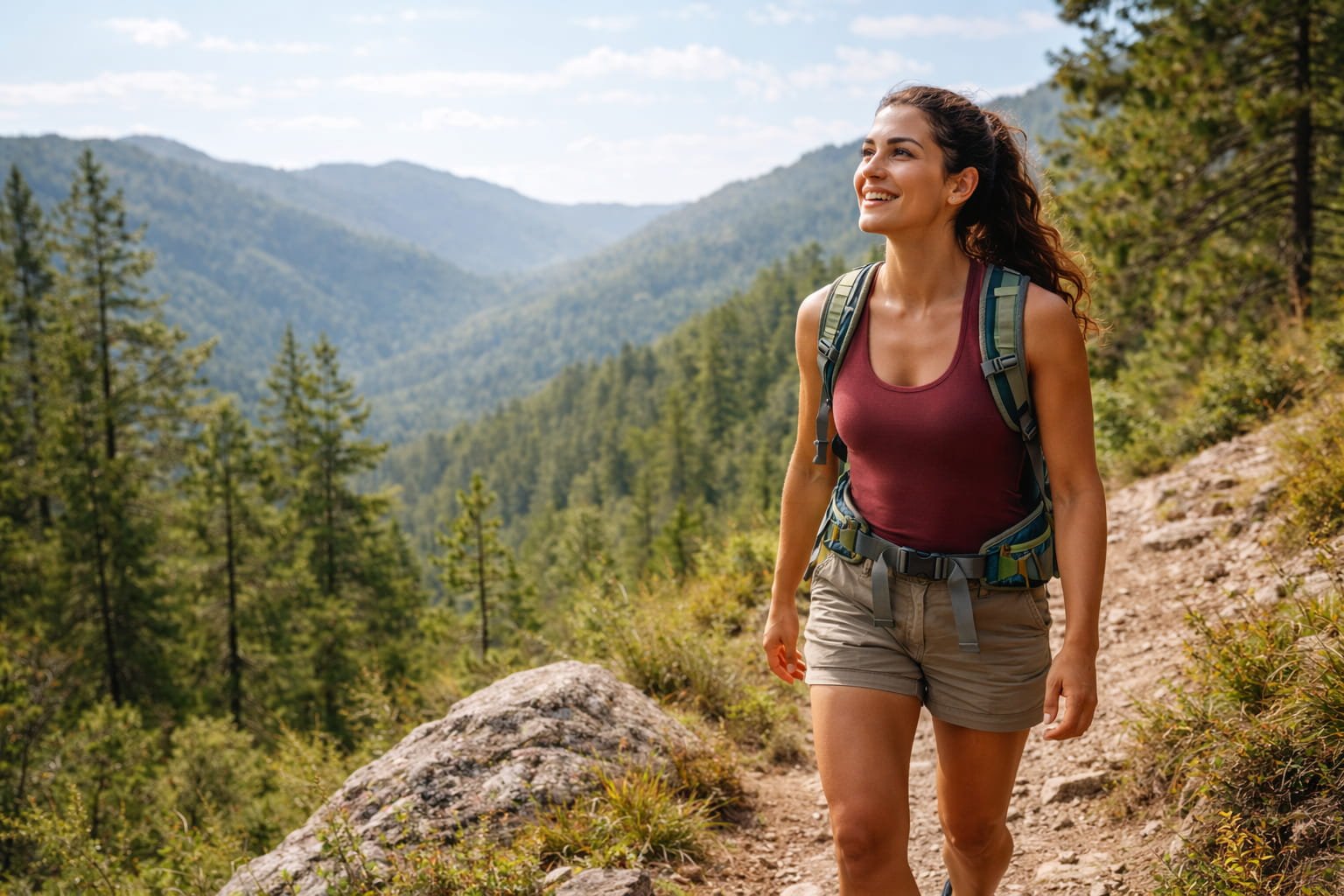
Hiking gear essentials should match the trail, distance, weather, group size, and whether you plan to return the same day or stay overnight. A short local hike may only require a light pack, water, layers, navigation, and basic safety items. A longer mountain route or multi-day trail needs more planning around shelter, power, communication, food, and emergency readiness.
The best hiking setup is practical and familiar. Gear should be easy to reach, tested before the trip, and selected for the conditions you are likely to face. Lightweight equipment is helpful, but reliability matters more when weather shifts, daylight fades, or a route takes longer than expected.
Essential Hiking Gear Categories
Shelter and Overnight Protection
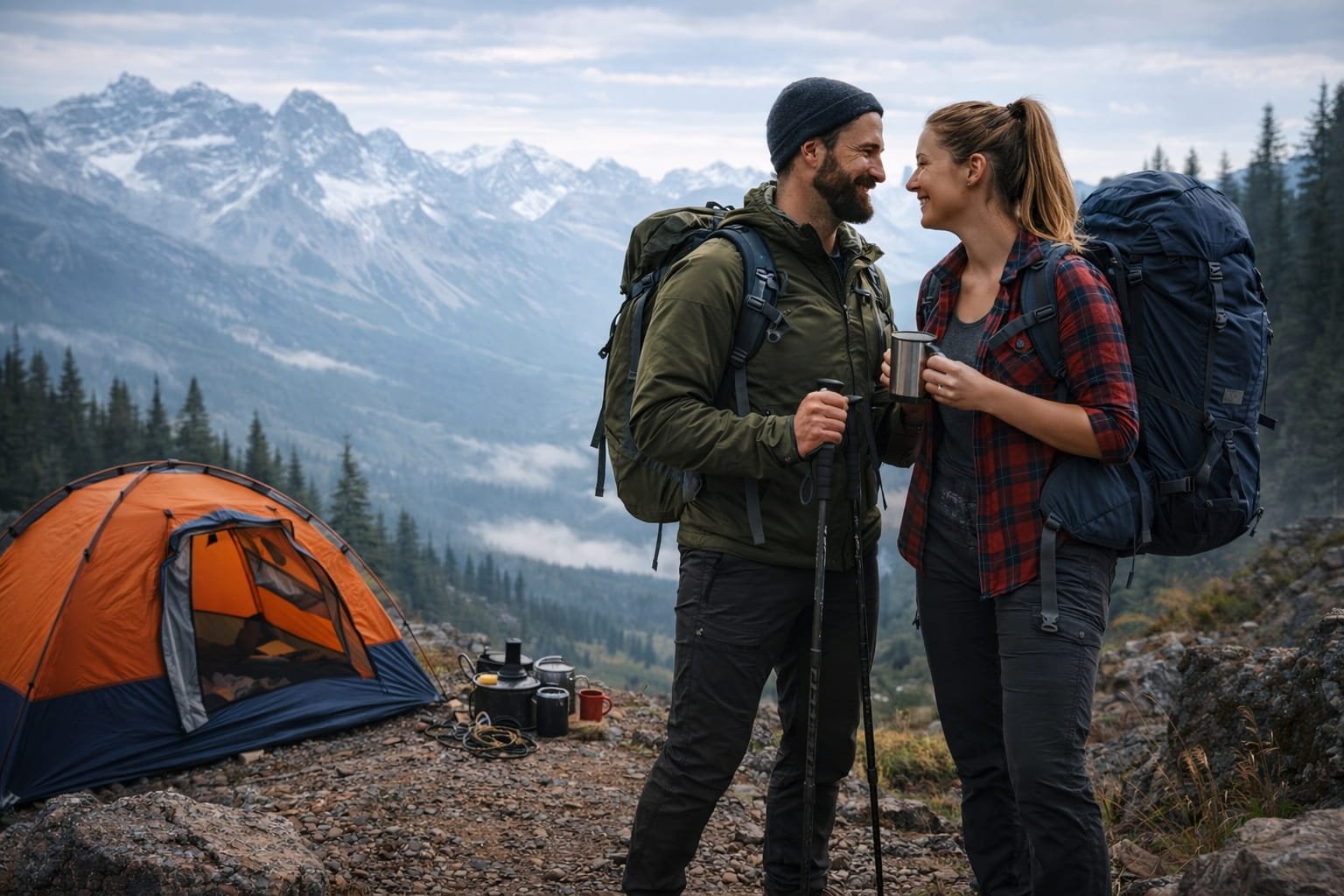
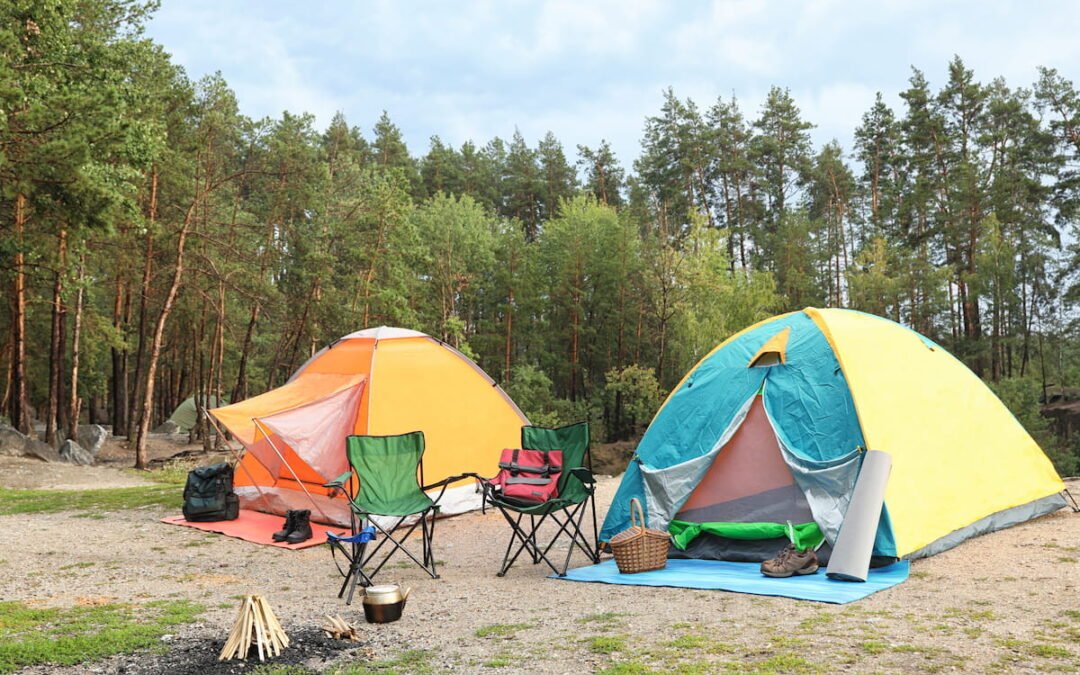
For overnight hikes or emergency backup, shelter should be compact, weather-aware, and realistic for your route. An automatic quick-open camping tent can support fast setup at camp, while a 4-person dome tent may fit group trips where shared shelter and gear storage matter. Match shelter size to the trip instead of carrying more than the trail requires.
Navigation, Power, and Communication
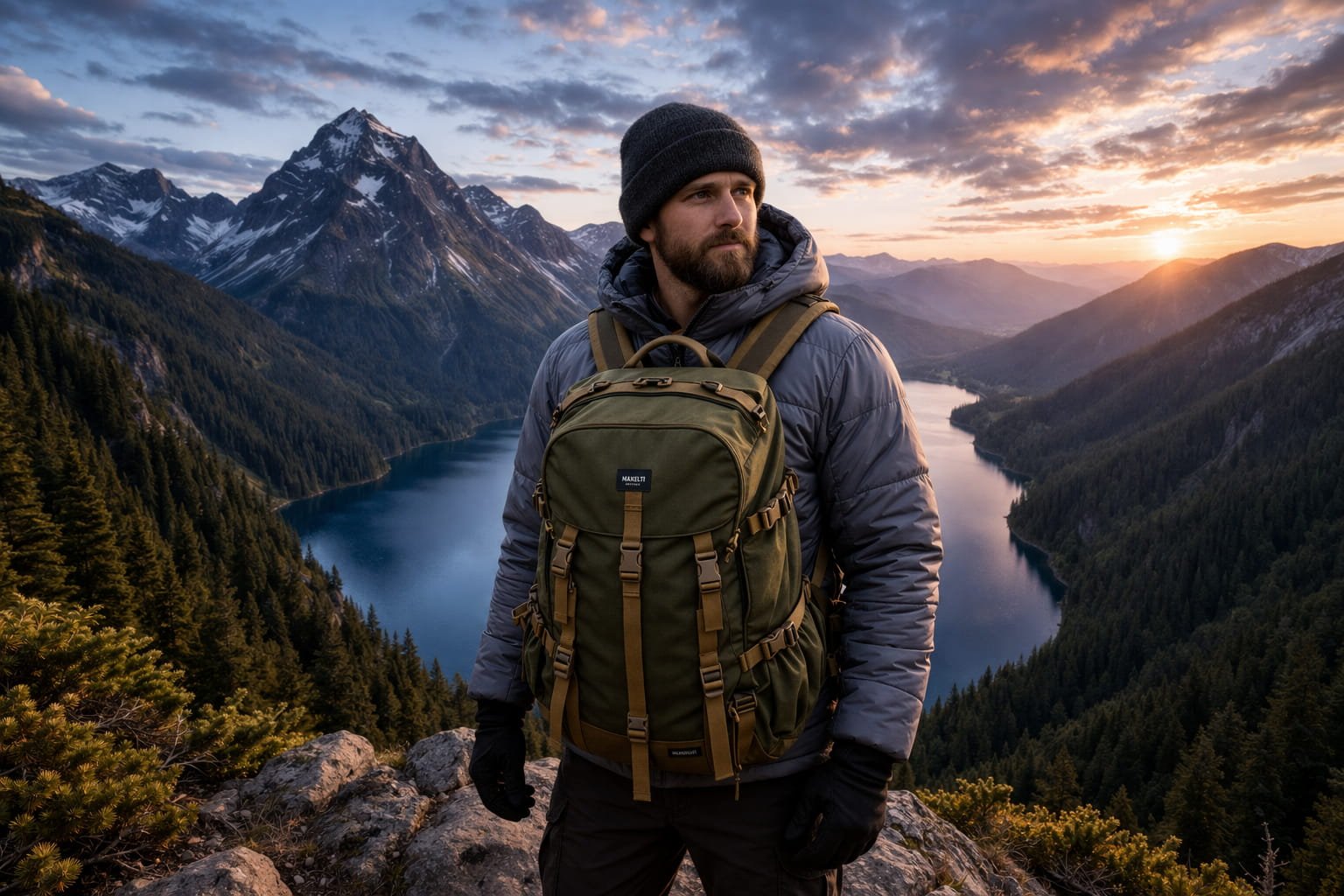
Navigation should not depend on one device. Carry a map or offline route, know your trail markers, and keep key electronics charged. A solar power bank can support phones, GPS units, and small lights, while an emergency solar radio can add weather awareness and backup communication support when conditions become less predictable.
Tools, Lighting, and Trail Utility
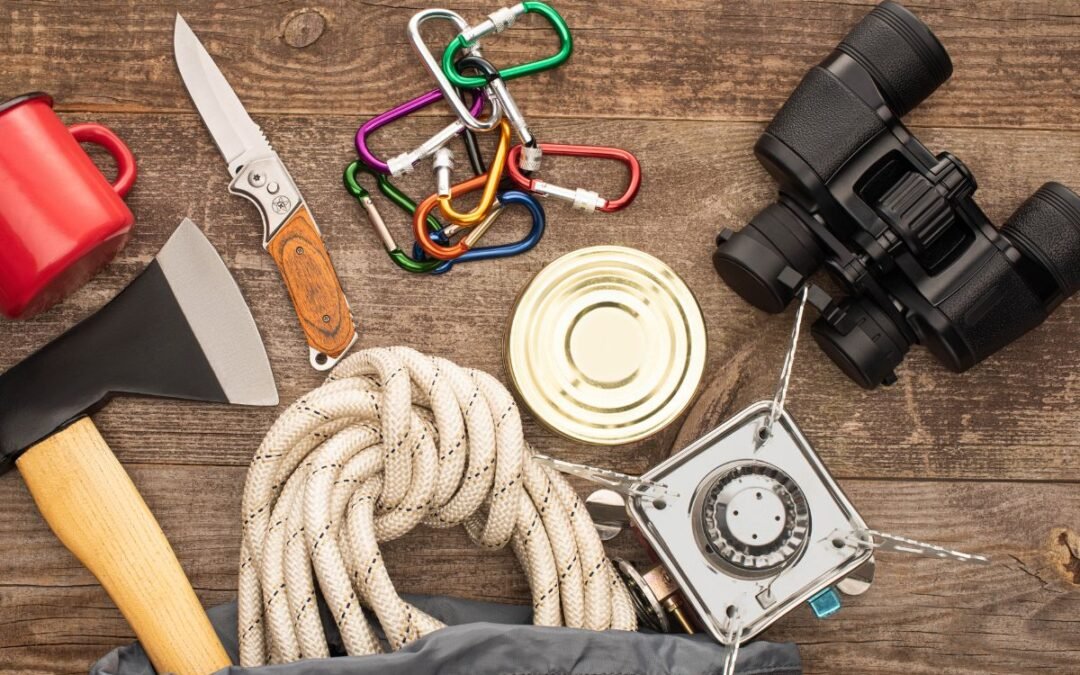
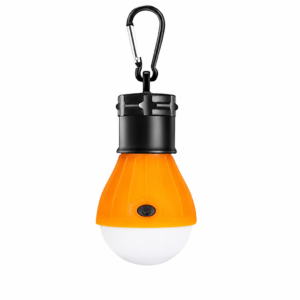
Small tools can solve common trail problems when used responsibly. A folding survival knife can help with cord, food prep, and minor gear tasks. Add a headlamp or compact light source, basic repair items, a first-aid kit, and weather-appropriate layers. The goal is not to carry a heavy survival kit; it is to carry the items most likely to help on your route.
Hiking Gear Essentials Checklist
Use this checklist as a practical trail filter before leaving:
- Route basics: map, offline navigation, trail plan, and expected return time.
- Weather protection: rain layer, insulation, sun protection, and extra socks when needed.
- Power and communication: charged phone, power bank, radio, cables, and backup light.
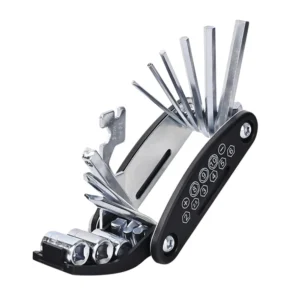
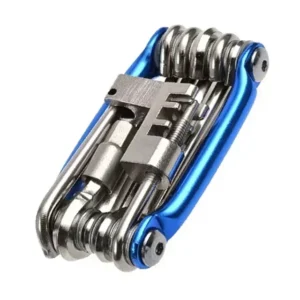
- Safety items: first-aid kit, whistle, knife or multi-tool, fire starter, and visibility gear.
- Food and water: enough water, filtration or treatment, snacks, and emergency calories.
Packing Tips for the Trail
Pack heavier items close to your back and keep frequently used gear near the top or in outer pockets. Do not bury first aid, lighting, rain gear, or navigation tools. Use dry bags or internal liners for clothing and electronics if rain or water crossings are possible. Before a longer hike, test your pack weight on a shorter route so you know what feels manageable.
Final Thoughts
Good hiking gear supports good decisions. Start with the conditions, terrain, distance, and your own experience level, then build a kit that covers weather, navigation, power, food, water, and basic safety. The more familiar you are with your gear before the hike, the more useful it becomes when the trail changes.
Build Your Hiking Gear Setup
For broader planning, use the Outdoor Gear Checklist, then review Camping Gear Essentials if your route includes overnight camp time.



0 Comments