
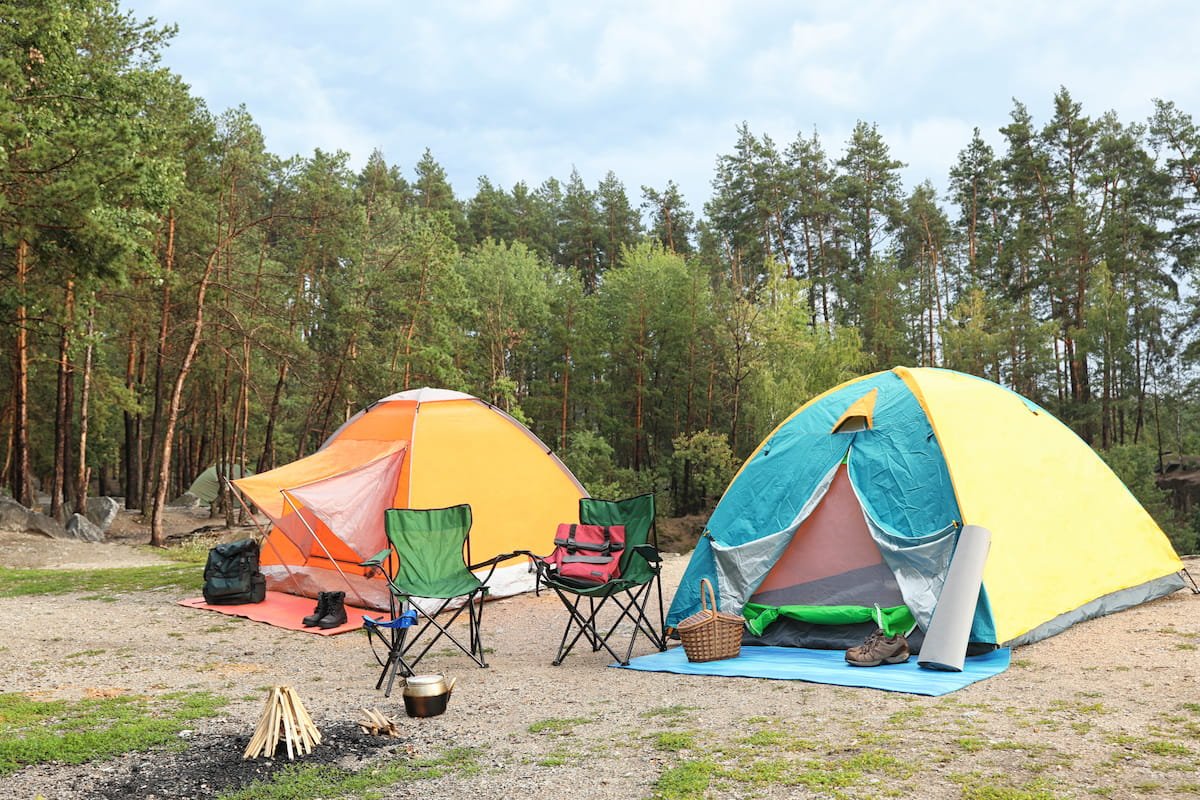
Camping Gear Essentials for a Reliable Camp Setup
Camping gear essentials should help you build a campsite that is comfortable, organized, and ready for changing conditions. A good camping setup is not about carrying the most equipment; it is about choosing the right shelter, cooking tools, power support, lighting, and safety items for your location, season, and trip length.
Before packing, think about the type of camping you are doing. A quick weekend at an established campground needs a different setup than a remote site reached by trail or vehicle. The best gear choices support sleep, food, weather protection, visibility, and basic problem-solving without turning camp into a cluttered storage area.
Essential Camping Gear Categories
Shelter and Sleep Systems
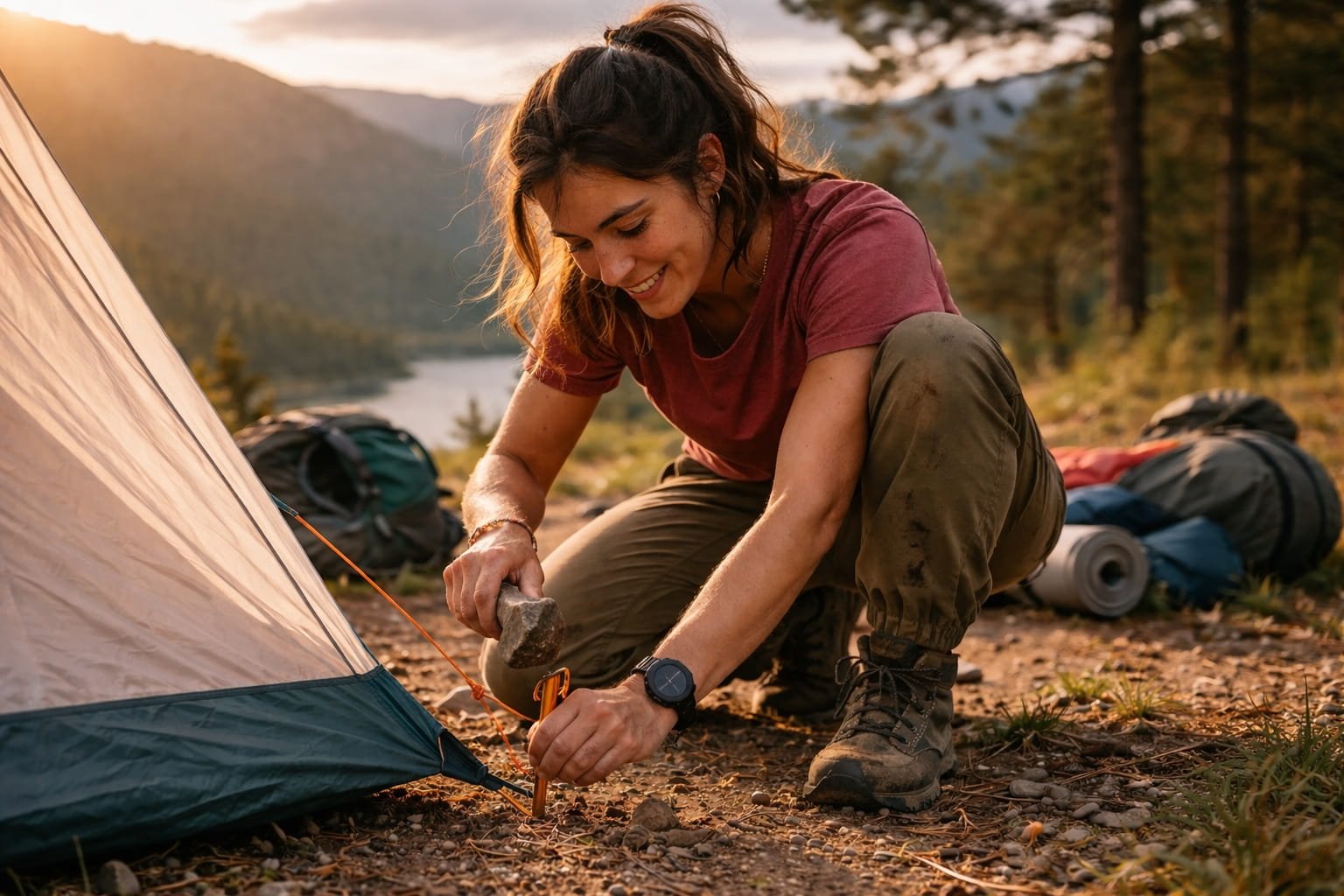
Your shelter is the foundation of camp comfort. An automatic waterproof camping tent can make setup faster when you arrive late, face wind, or need to organize camp before dark. Pair the tent with a sleeping bag rated for expected temperatures, an insulated pad, and a ground setup that keeps moisture away from your sleep area.
Cooking and Camp Utilities
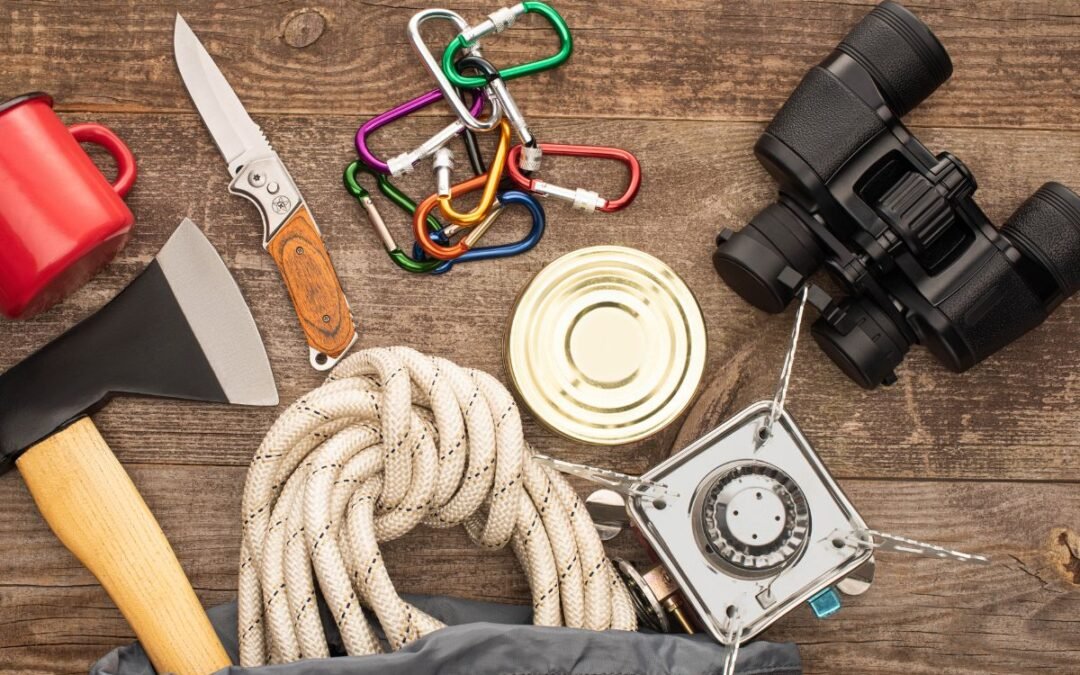
Food and hot drinks can make a simple campsite feel more complete. A compact camping gas stove supports boiling water and preparing meals without relying on an open fire. Keep cookware, fuel, water storage, and cleanup supplies together so your cooking area stays efficient and easy to manage.
Lighting, Power, and Communication
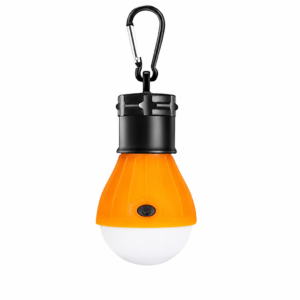
After sunset, lighting and power become essential. A solar power bank can support phones and small devices, while an emergency solar radio adds weather awareness and backup charging options. A folding survival knife can also support camp tasks such as food prep, cord work, and small gear adjustments.
Camping Gear Essentials Checklist
Use this checklist to keep your camp setup balanced and practical:
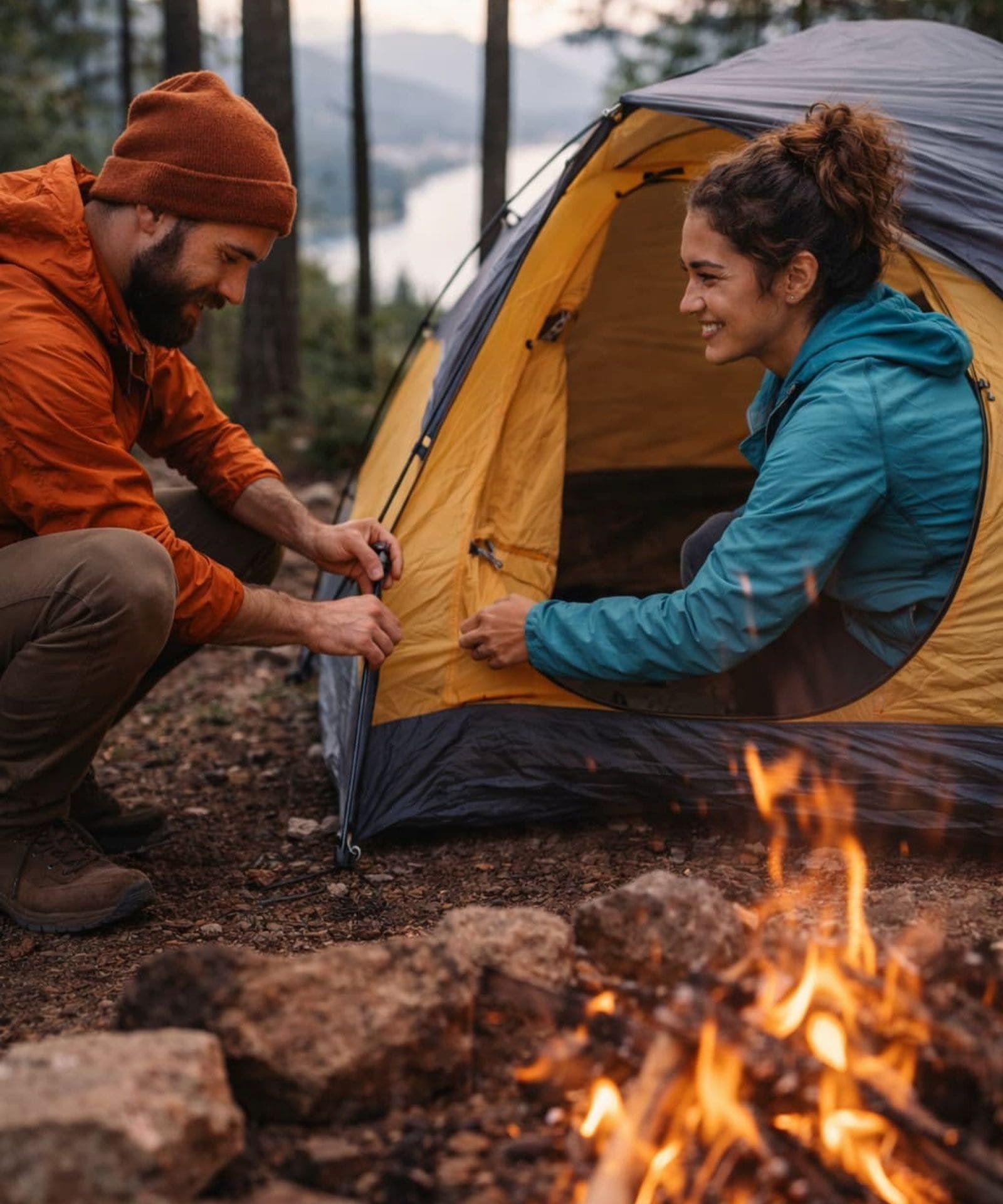
- Shelter: tent, ground protection, stakes, repair tape, and weather-appropriate sleep gear.
- Cooking: stove, fuel, cookware, water, food storage, and cleanup supplies.
- Power: power bank, charging cables, lights, and backup batteries.
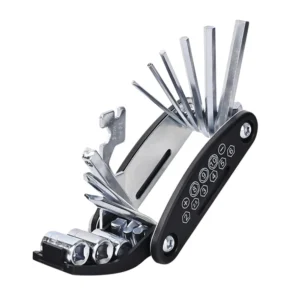
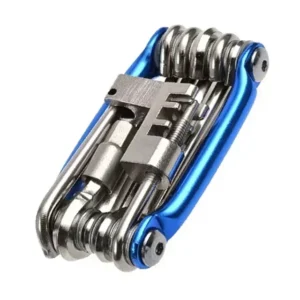
- Safety: first-aid kit, knife or multi-tool, fire starter, whistle, and visibility tools.
- Organization: dry bags, storage bins, and a dedicated place for frequently used items.
Camp Setup Tips
Choose level ground with natural drainage, avoid low spots where water can collect, and keep your cooking area away from your sleeping area. Store food securely and follow local wildlife rules. Keep lighting, first aid, and communication tools easy to reach after dark. Before leaving, clean the site carefully and follow Leave No Trace principles so the area stays usable for the next camper.
Final Thoughts
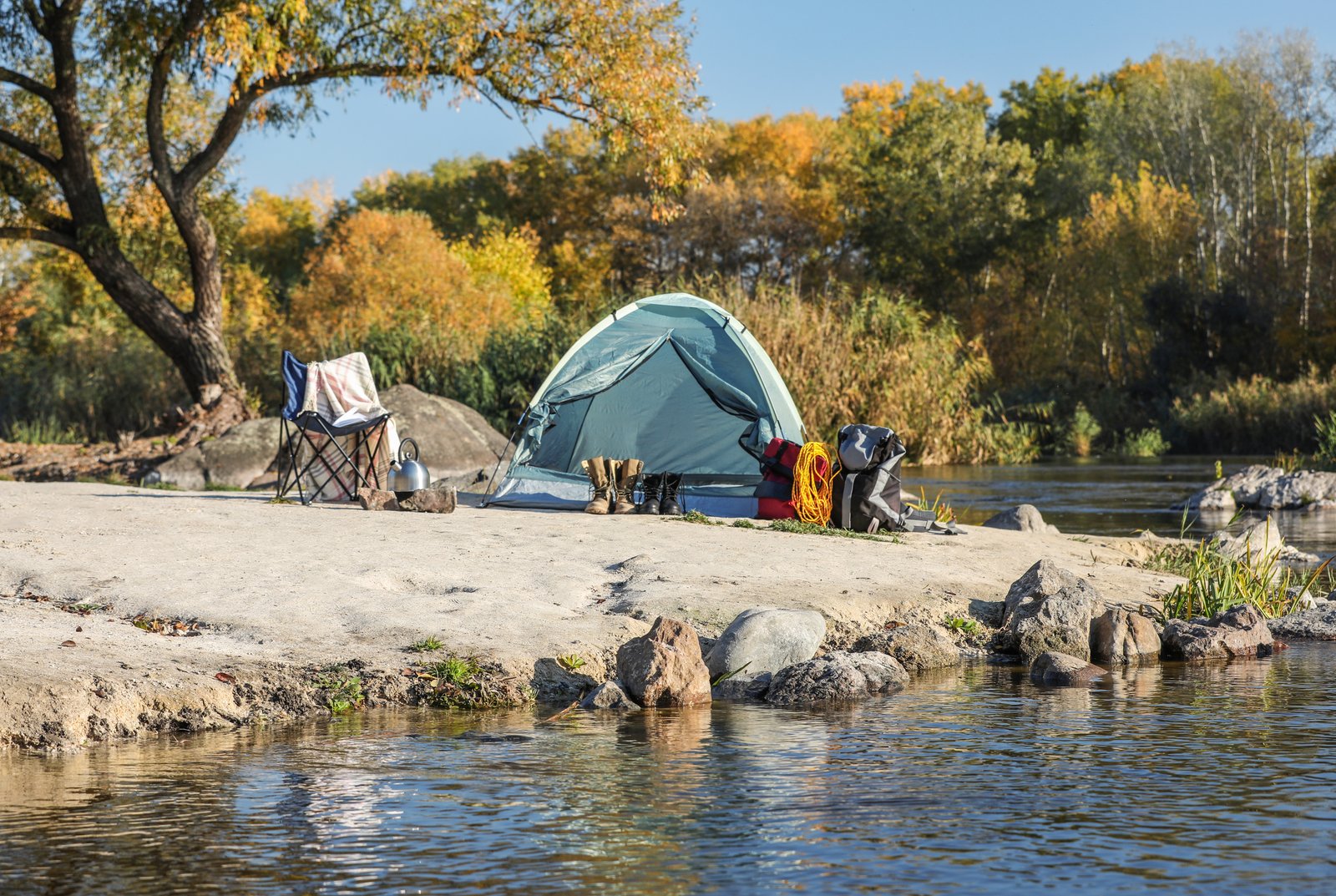
Reliable camping gear helps you focus on the experience instead of fighting your setup. Start with shelter, cooking, power, lighting, and safety. Then refine your kit after each trip based on what you actually used, what stayed packed, and what would have made camp easier.
Build a Better Camping Setup
Continue planning with the Outdoor Gear Checklist, or explore broader buying guidance in How to Choose Outdoor Gear.


0 Comments