
How to Choose Outdoor Gear for Real Outdoor Use
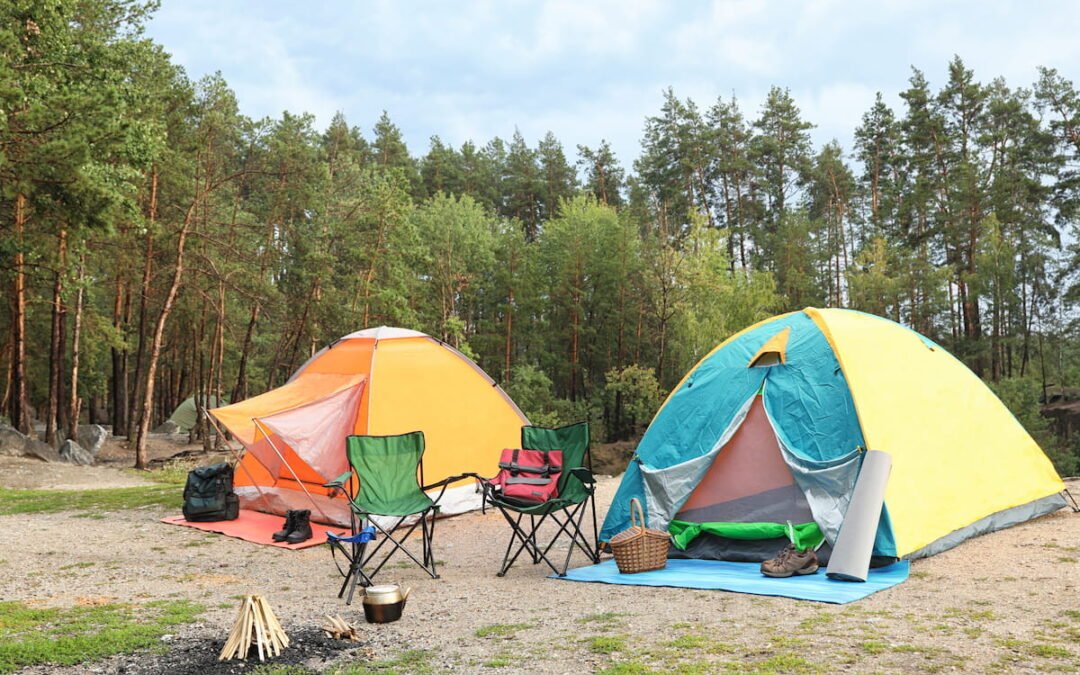
Learning how to choose outdoor gear starts with matching each item to the conditions, trip length, terrain, and safety needs of your adventure. A weekend camping trip, a long hiking route, a roadside overlanding plan, and a survival-focused kit all require different priorities. The goal is not to buy the most equipment; it is to build a reliable setup that helps you carry essentials, manage weather, keep power available, and respond calmly when conditions change.
A good outdoor setup should feel intentional. Every item should earn its place by solving a real problem: carrying gear comfortably, protecting you from weather, helping you stay oriented, supporting communication, or keeping basic tools within reach. That practical mindset makes the buying process easier and helps prevent random gear from turning into unnecessary weight.
Key Outdoor Gear Categories to Consider
Backpacks and Carry Systems
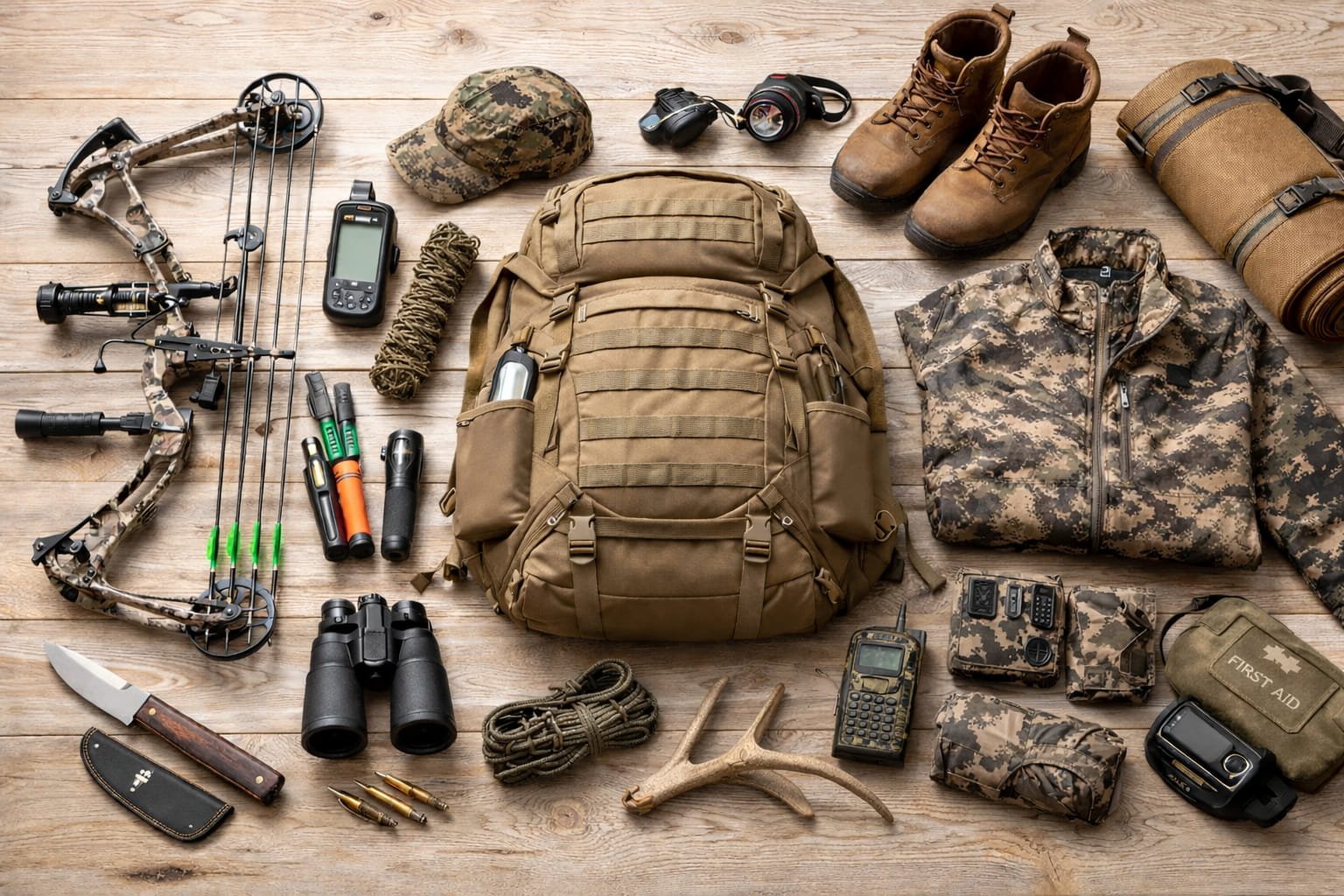
Start with your foundation: how you carry everything. If you are comparing how to choose outdoor gear for hiking, camping, or emergency readiness, storage and carry comfort should come before appearance. A high-quality waterproof hiking backpack can support durability, weather resistance, and organization when the trip requires more than a small day pack. Look for adjustable straps, reinforced stitching, breathable contact areas, and enough capacity for your route without forcing you to overpack.
Power, Lighting, and Communication
Power and visibility matter because outdoor plans often depend on phones, GPS units, lights, radios, and rechargeable tools. A reliable emergency solar radio can add weather awareness, backup charging, and communication support when conditions change. For longer trips, a solar power bank 40000mAh can help keep small devices supported, but it should be treated as part of a larger system, not as a replacement for planning.
Tools and Field Readiness
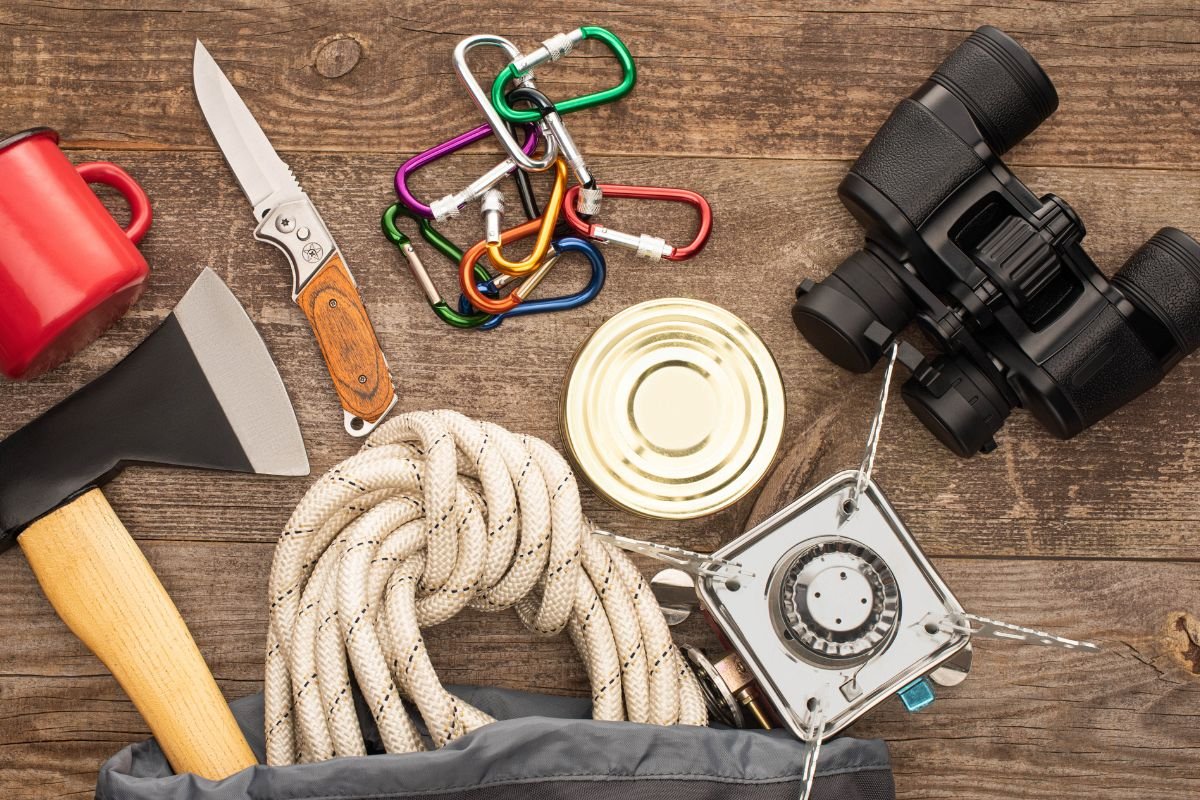
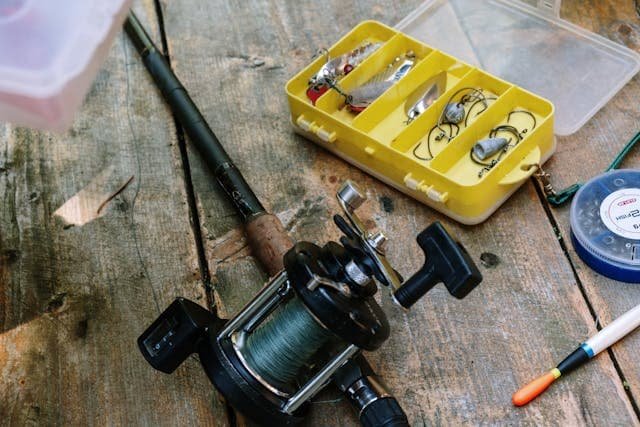
Tools should be selected for actual use, not just because they look rugged. A premium folding survival pocket knife should be judged by build quality, locking safety, grip, and practical carry. Vehicle-based trips may also require roadside support, where a 5000A car jump starter can make sense for drivers building a broader emergency setup. The right tools depend on whether you are hiking, camping, overlanding, fishing, hunting, or preparing a general outdoor kit.
Common Outdoor Gear Mistakes
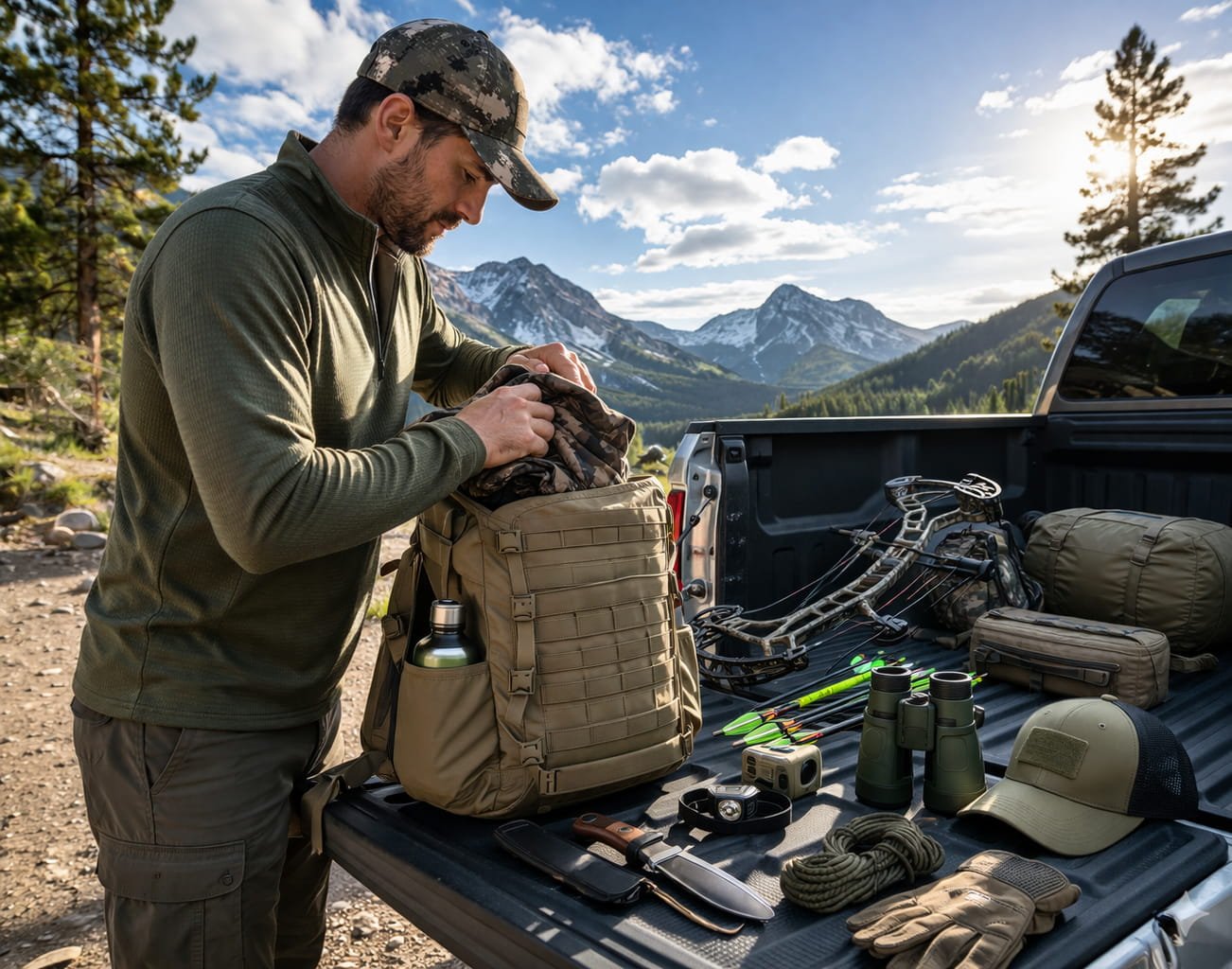
One common mistake is buying too many low-quality items instead of a smaller set of dependable tools. Another is taking new equipment into the field without testing it first. Before a trip, practice packing your backpack, charging your devices, using your light sources, and opening or adjusting any tools you plan to carry. Testing gear at home is not dramatic, but it prevents confusion when the weather is poor, daylight is fading, or your route takes longer than expected.
Another mistake is ignoring how your gear works together. If your lighting, radio, power bank, and phone all require different cables, your setup becomes harder to manage. If your backpack is too small, essentials may end up clipped outside or packed where they are difficult to reach. Choosing outdoor gear is not only about individual products; it is about building a system that fits your activity, vehicle, trail, campsite, and climate.
Practical Outdoor Gear Buying Checklist
Use this checklist before adding a new item to your kit:
- Activity fit: choose gear for hiking, camping, overlanding, hunting, fishing, or emergency use instead of buying one-size-fits-all equipment.
- Weather readiness: consider rain, cold, heat, wind, and how long the item may stay exposed.
- Carry comfort: check weight, size, storage layout, and how easily the item can be reached when needed.
- Power and communication: confirm charging cables, backup power, lights, and weather-alert options work together.
- Field testing: test important gear at home before relying on it outdoors.
Maintenance is part of the buying decision, too. Clean tools after use, dry tents and fabric gear before storage, and recharge battery-powered equipment every few months. A well-maintained kit is more dependable than a larger kit that has not been checked since the last trip.
Final Thoughts
Choosing outdoor gear is an ongoing process of refinement. As you spend more time outside, you learn what works for your terrain, climate, vehicle, pack weight, and personal skill level. A smart setup focuses on the essentials first: carrying gear comfortably, staying aware of conditions, keeping power available, and using tools you understand. The best gear supports good judgment; it does not replace preparation or outdoor experience.
Build a Smarter Outdoor Gear Setup
Continue planning with the Outdoor Gear Checklist, or explore trip-specific essentials in the Camping Gear Essentials guide.


0 Comments