
Overlanding Gear Essentials for Vehicle-Based Adventure
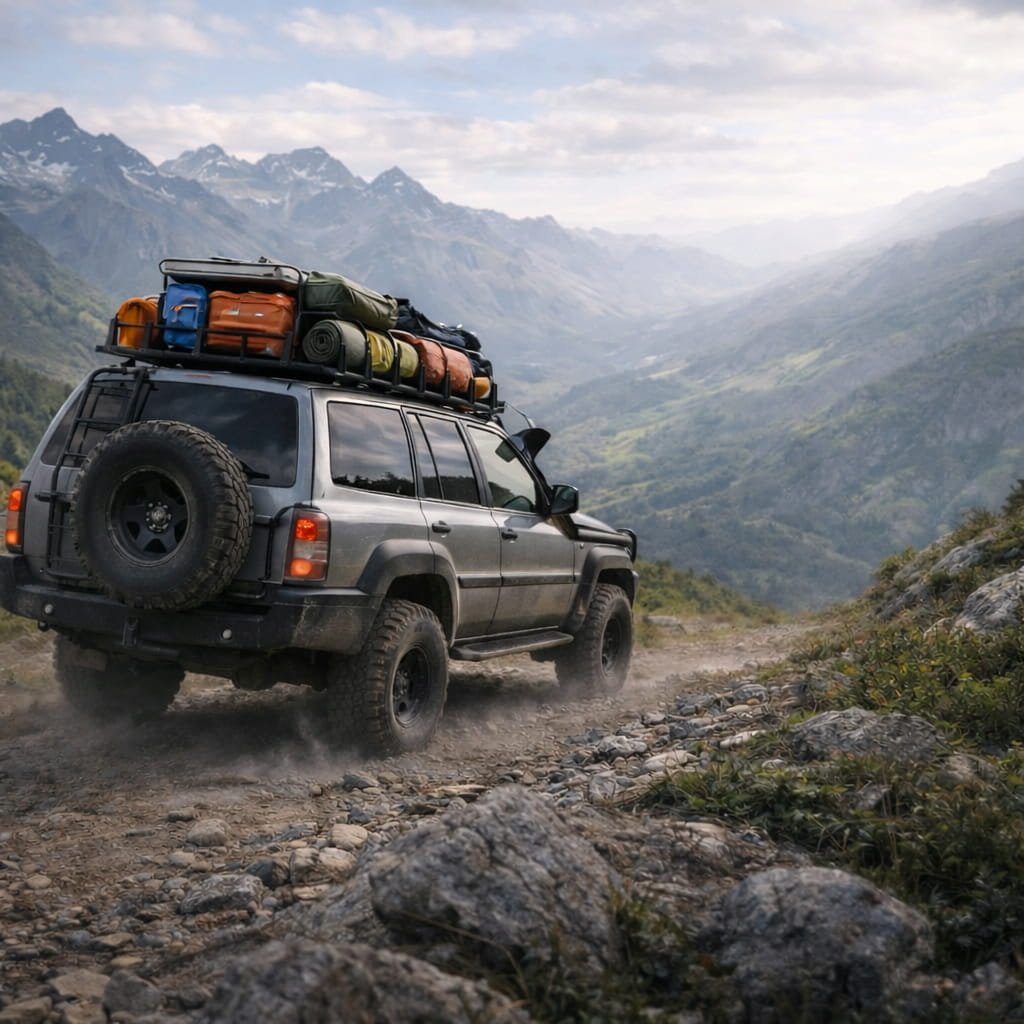
Overlanding gear essentials should support self-reliant travel where your vehicle carries shelter, power, tools, recovery items, and supplies across changing terrain. Unlike a simple road trip, overlanding often means longer distances, remote routes, limited service, and a stronger need for organization before you leave pavement behind.
The best overlanding setup is practical and route-specific. It should help you manage power, communication, tire support, basic repairs, camp setup, and personal safety without overloading the vehicle with gear you do not understand or cannot access quickly.
Essential Overlanding Gear Categories
Vehicle Power and Roadside Support
Vehicle readiness starts with battery support, tire access, and reliable roadside tools. A 5000A car jump starter can help with battery-related emergencies, while a 5 ton electric car jack kit can support tire-related tasks when used safely and matched to the vehicle.
Backup Energy and Communication
Remote travel often depends on keeping essential devices powered. A solar power bank can support small electronics, while an ALLPOWERS R600 Power Station can provide a stronger backup option for camp and vehicle-based use. An emergency solar radio adds weather awareness and backup communication support.
Tools, Camp Setup, and Organization
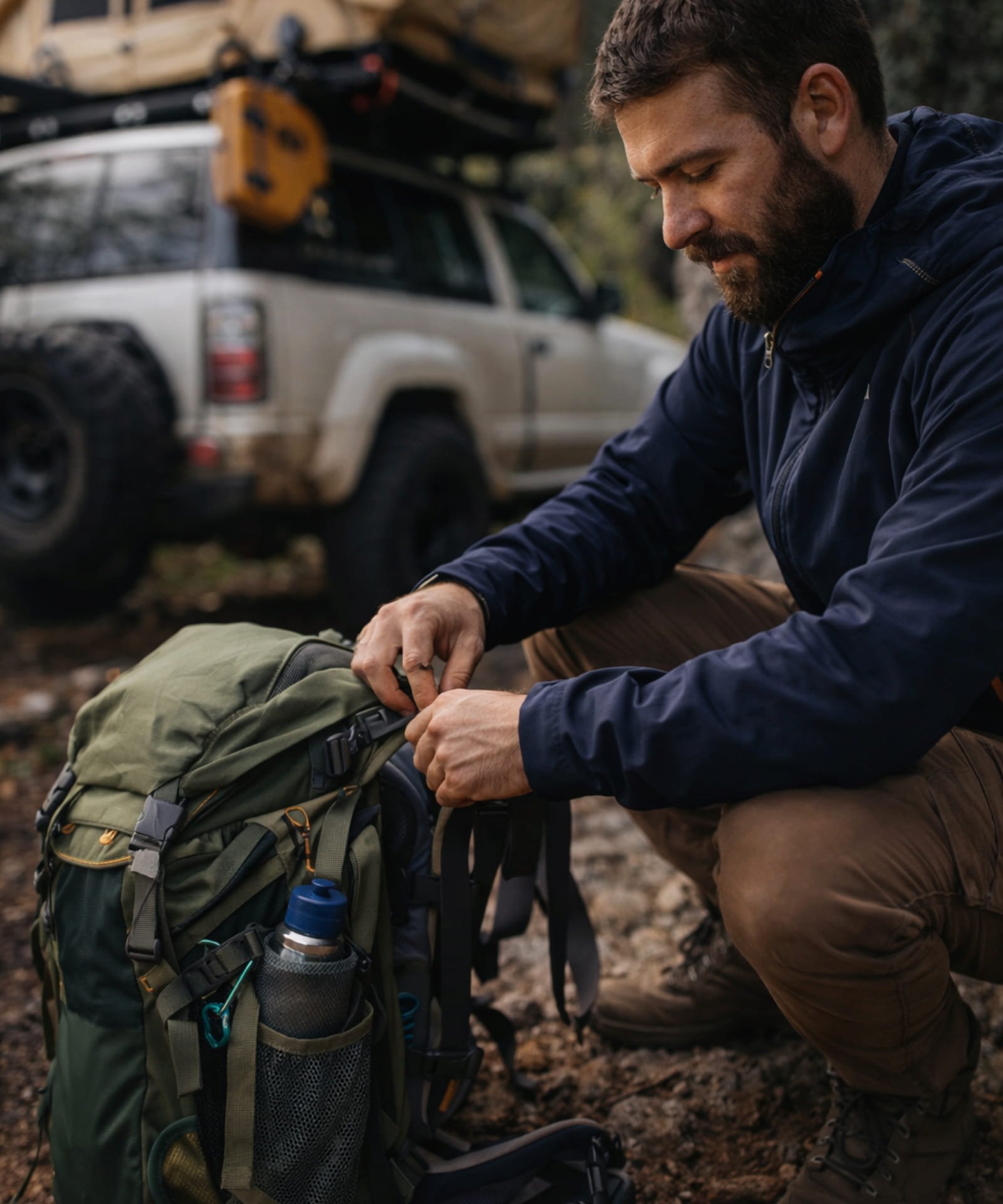
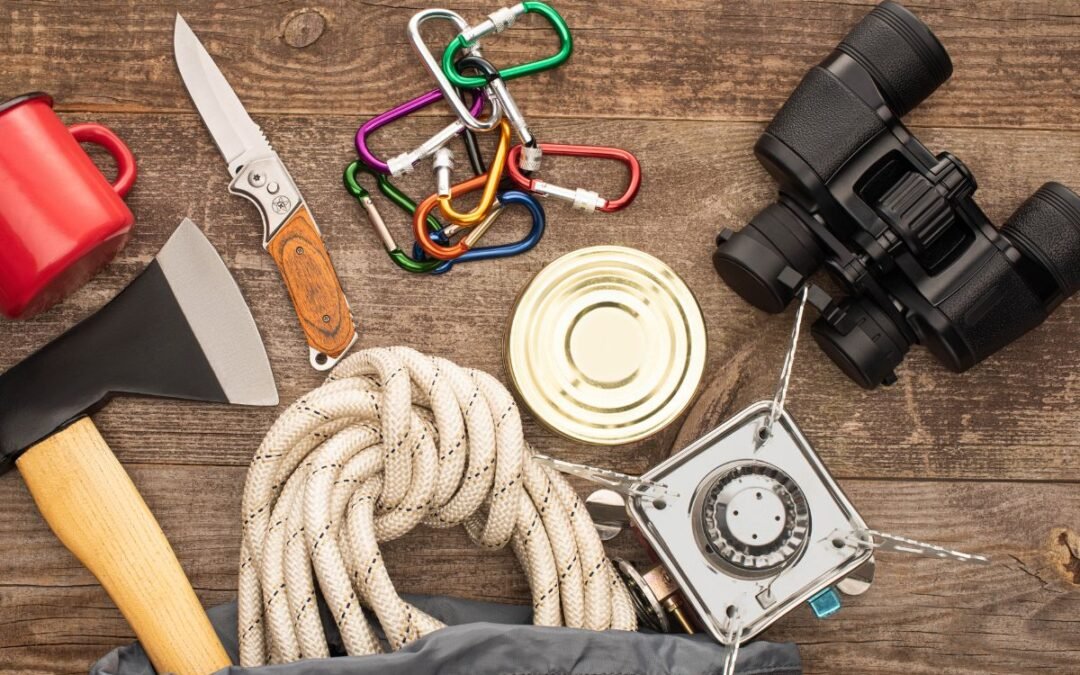
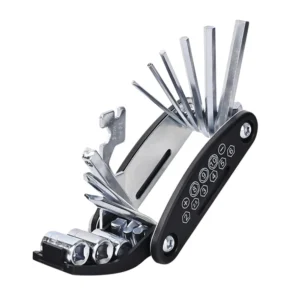
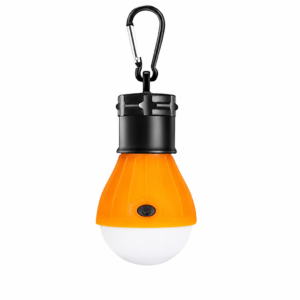
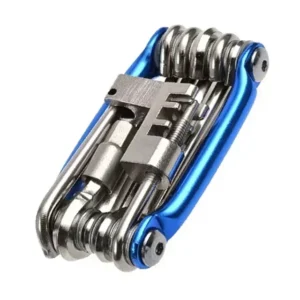
Small tools and organized storage can make remote travel calmer. A folding survival knife, gloves, lighting, tie-downs, first-aid basics, and repair items should be easy to find. Keep heavy equipment secure and place emergency items where they are reachable without unloading the entire vehicle.
Overlanding Gear Essentials Checklist
Use this checklist before a remote vehicle-based trip:
- Vehicle readiness: jump starter, tire support, air pressure check, gloves, and roadside lighting.
- Power: power bank, power station if needed, cables, charging plan, and backup light.
- Communication: radio, offline maps, route plan, and emergency contacts.
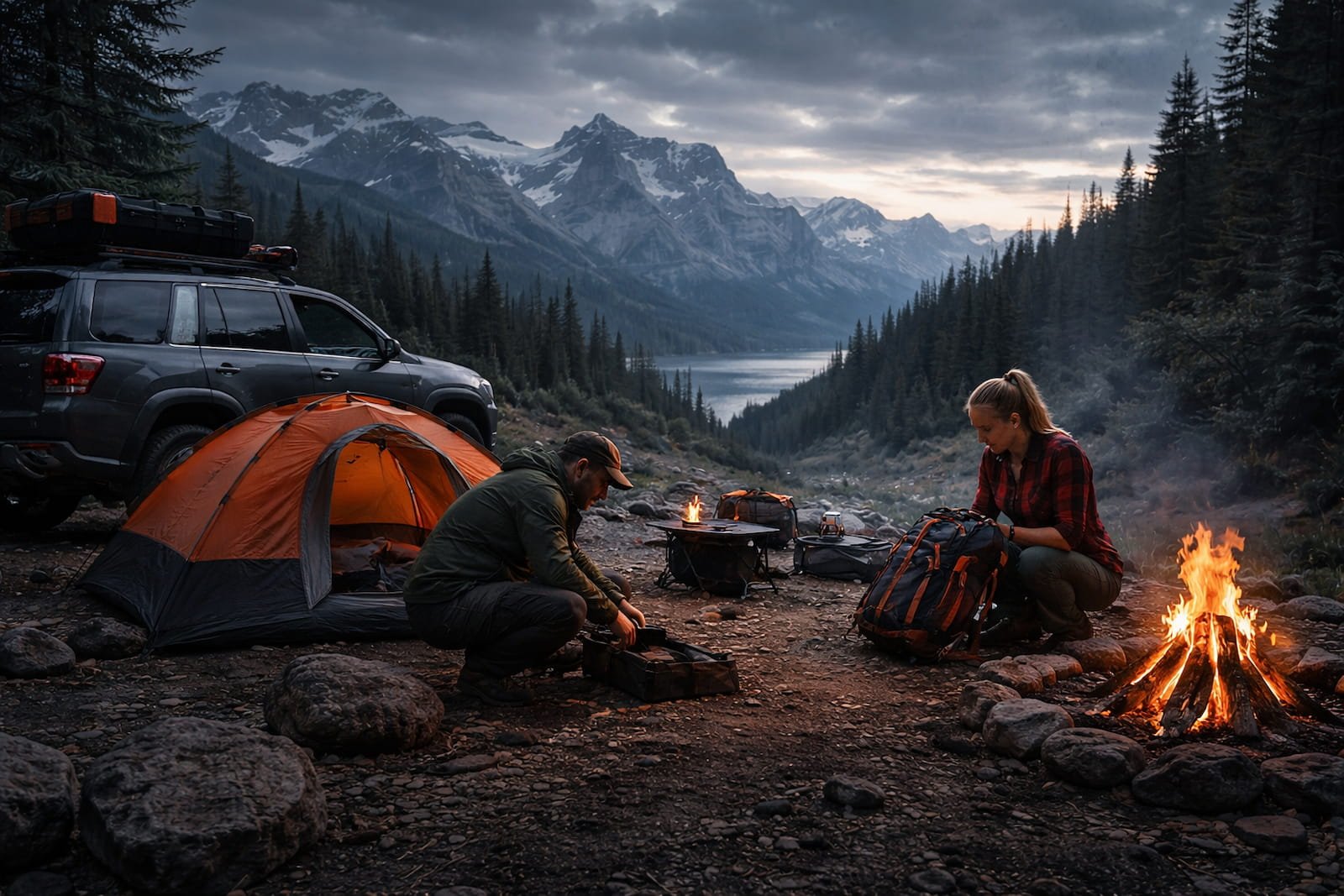
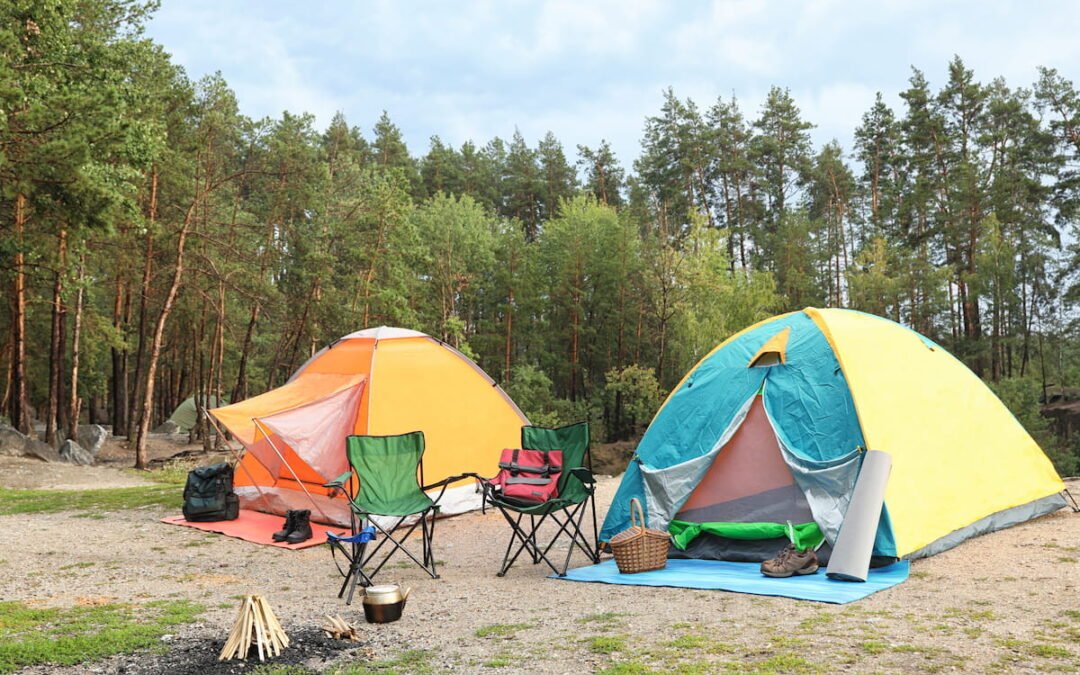
- Camp basics: shelter, water, cooking setup, food storage, and weather layers.
- Organization: secure heavy gear, label storage, and keep emergency tools accessible.
Trip Planning Tips
Plan fuel, water, charging, and exit routes before the trip. Share your route with someone reliable, check local rules, and avoid pushing terrain beyond your vehicle, weather, or skill level. Test your power setup and roadside tools at home so you are not learning them for the first time on the trail.
Final Thoughts
Overlanding rewards preparation. A strong setup does not need to be excessive, but it should cover power, communication, roadside support, shelter, water, and practical tools. Build your kit around the routes you actually drive, then refine it after each trip.
Build Your Overlanding Readiness Setup
For vehicle emergency planning, continue with the Car Emergency Gear Guide, then compare practical products in Vehicle & Overland Gear.


0 Comments