
Survival Gear Essentials for Real Outdoor Readiness
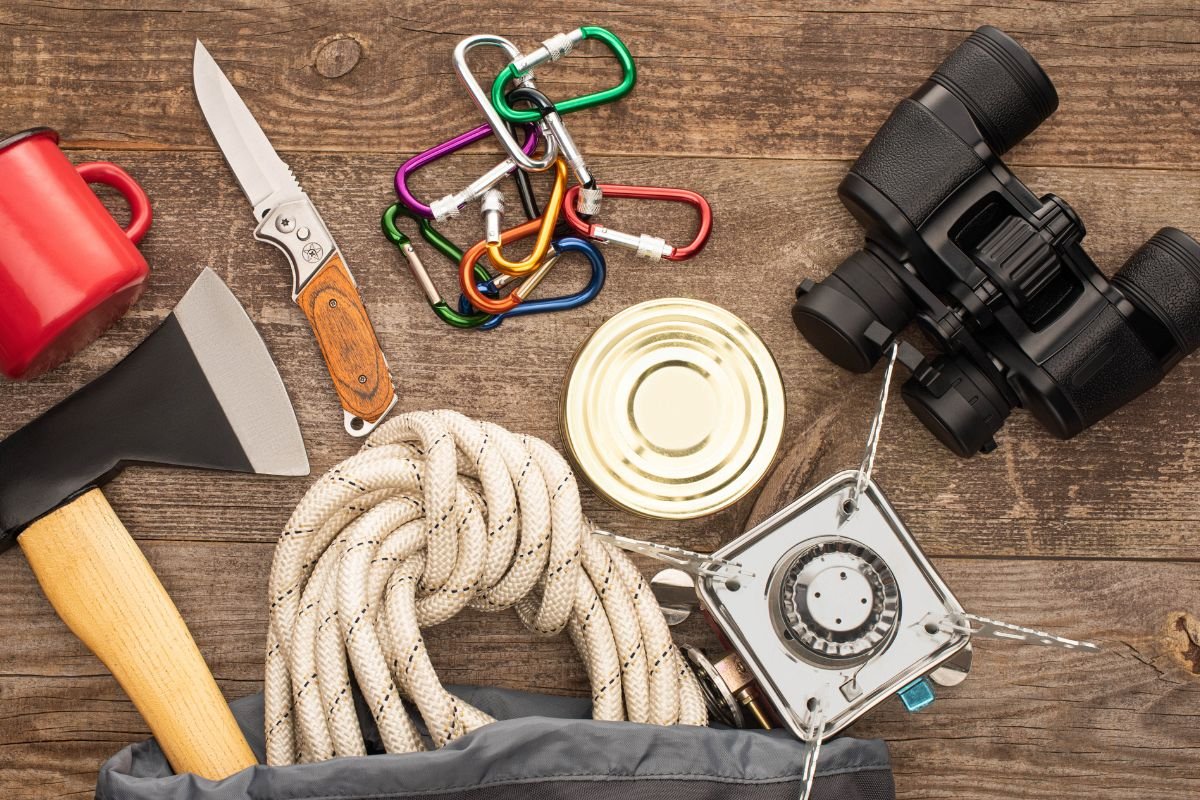
Survival gear essentials should cover the problems that can turn an outdoor trip into an emergency: exposure, lack of water, low visibility, poor communication, power loss, and limited tools. A useful survival kit is not built from fear or hype. It is built from practical items you understand, can access quickly, and know how to use when conditions change.
The right kit depends on the trip. A day hike, a weekend camp, a road trip, and an off-grid route all need different levels of preparation. The common goal is the same: protect your body, stay oriented, communicate when possible, and solve small problems before they become larger ones.
Essential Survival Gear Categories
Cutting Tools and Field Utility
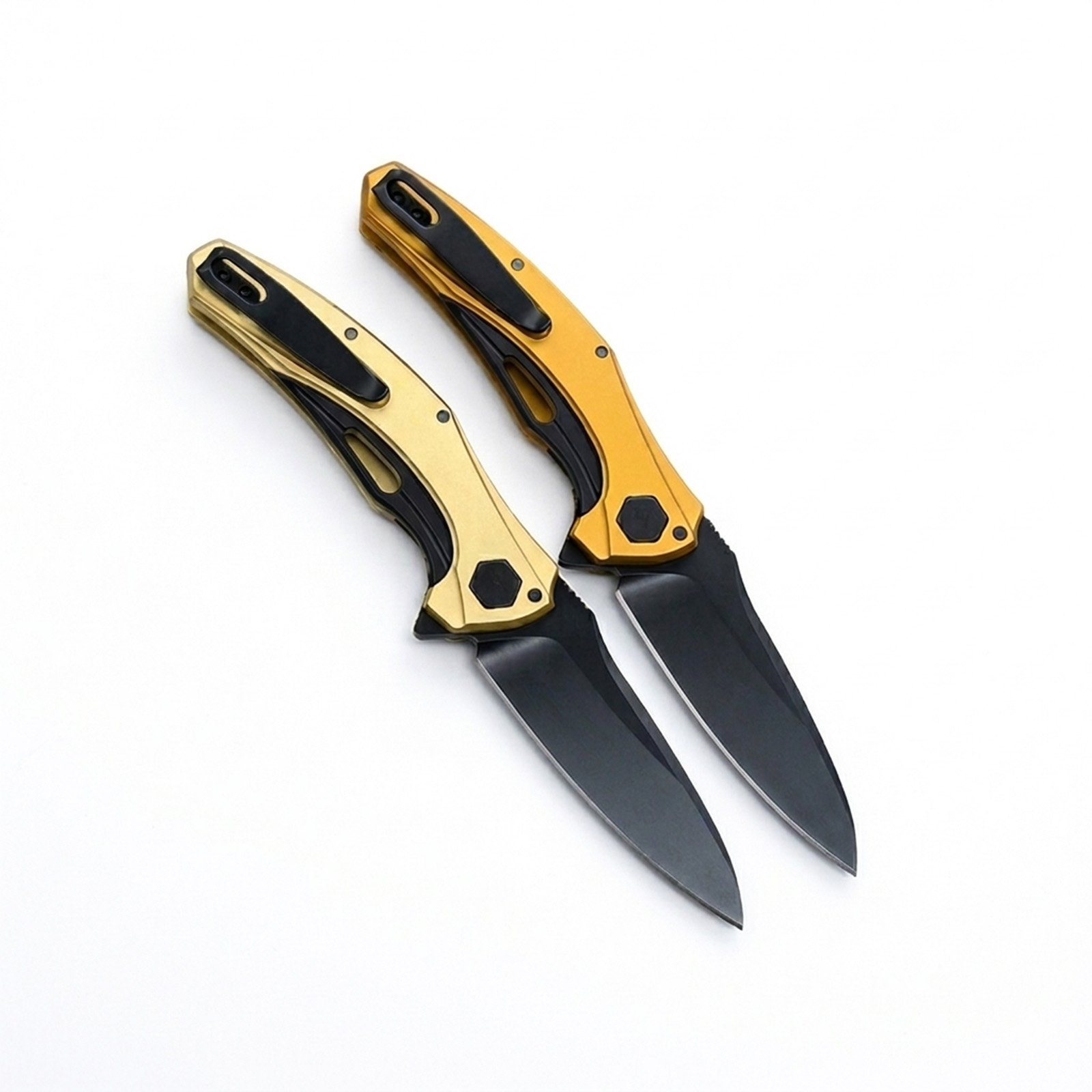
A reliable cutting tool can support food prep, cord work, packaging, small repairs, and emergency tasks. A folding survival knife is compact enough for a pack but useful for many outdoor situations. Like any tool, it should be carried responsibly and practiced with before the trip.
Communication, Weather, and Backup Power
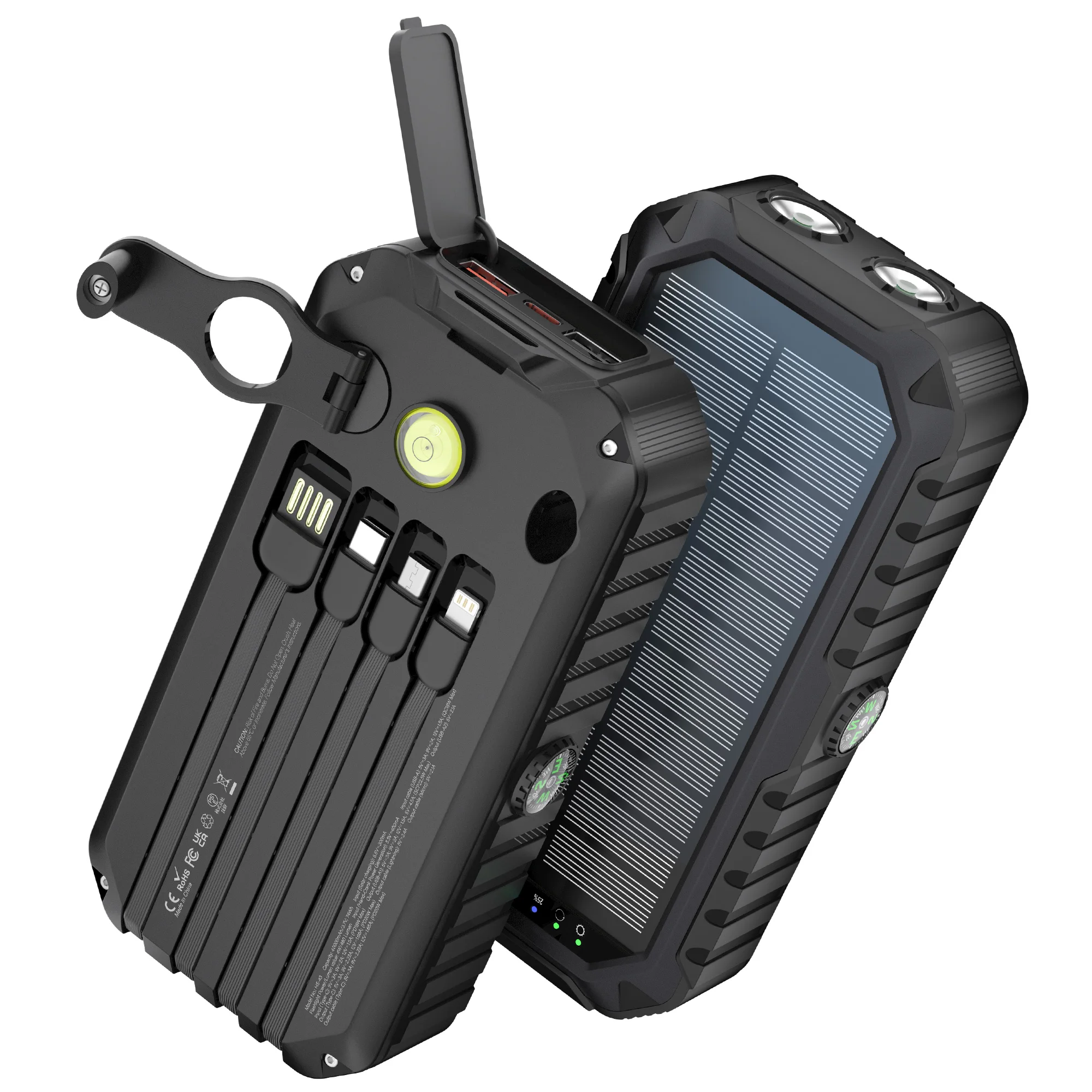
Power and information matter when service is limited. An emergency solar radio can support weather awareness and backup signaling, while a solar power bank can help keep phones, small lights, or navigation devices charged during longer outings.
Vehicle and Roadside Survival Support
For vehicle-based trips, survival planning should include roadside readiness. A 5000A car jump starter can support battery emergencies, while a 5 ton electric car jack kit can help with tire-related roadside tasks when used safely and within its intended limits.
Survival Gear Essentials Checklist
Use this checklist as a practical foundation:
- Shelter and warmth: weather layer, emergency blanket, tarp, or season-appropriate shelter.
- Water and food: water storage, treatment option, and compact emergency calories.
- Power and communication: radio, charged phone, power bank, cables, and backup light.
- Tools: knife, repair tape, cordage, fire starter, gloves, and basic first aid.
- Vehicle support: jump starter, roadside light, tire support, and clear access to emergency gear.
Outdoor Readiness Tips
Keep survival gear accessible, not buried under rarely used items. Check batteries, inspect tools, and replace expired first-aid supplies before each season. Practice small skills in safe conditions: starting a backup light, using a radio, setting up shelter, and locating items in your pack without emptying everything onto the ground.
Final Thoughts
Survival readiness is strongest when it is simple, practiced, and realistic. Choose gear that addresses clear risks, then learn how each item fits into your route, vehicle, and outdoor habits. The best emergency kit is the one you can actually use when the situation is no longer ideal.
Build Your Survival Gear Setup
For broader planning, continue with the Outdoor Gear Checklist or compare emergency-focused options in Car Emergency Gear Guide.



0 Comments