
Car Emergency Gear for Roadside Readiness
Car emergency gear is the equipment that keeps a minor roadside problem from becoming a serious travel setback. Whether you are commuting, driving long distances, camping from your vehicle, or planning an overlanding route, the right setup helps you respond to dead batteries, flat tires, bad weather, limited phone service, and power loss with more control. This guide focuses on practical roadside safety essentials that make sense for real drivers, not random gadgets that add weight without purpose.
The goal of a well-curated emergency kit is to address the most common vehicle problems without overpacking. Your setup should match your vehicle, route, climate, and trip duration. A daily commuter, a winter road trip, and a multi-day overlanding route do not need the exact same kit, but each one should cover power, tire support, communication, visibility, and organization.
Essential Car Emergency Gear to Carry
Jump Starter and Backup Power
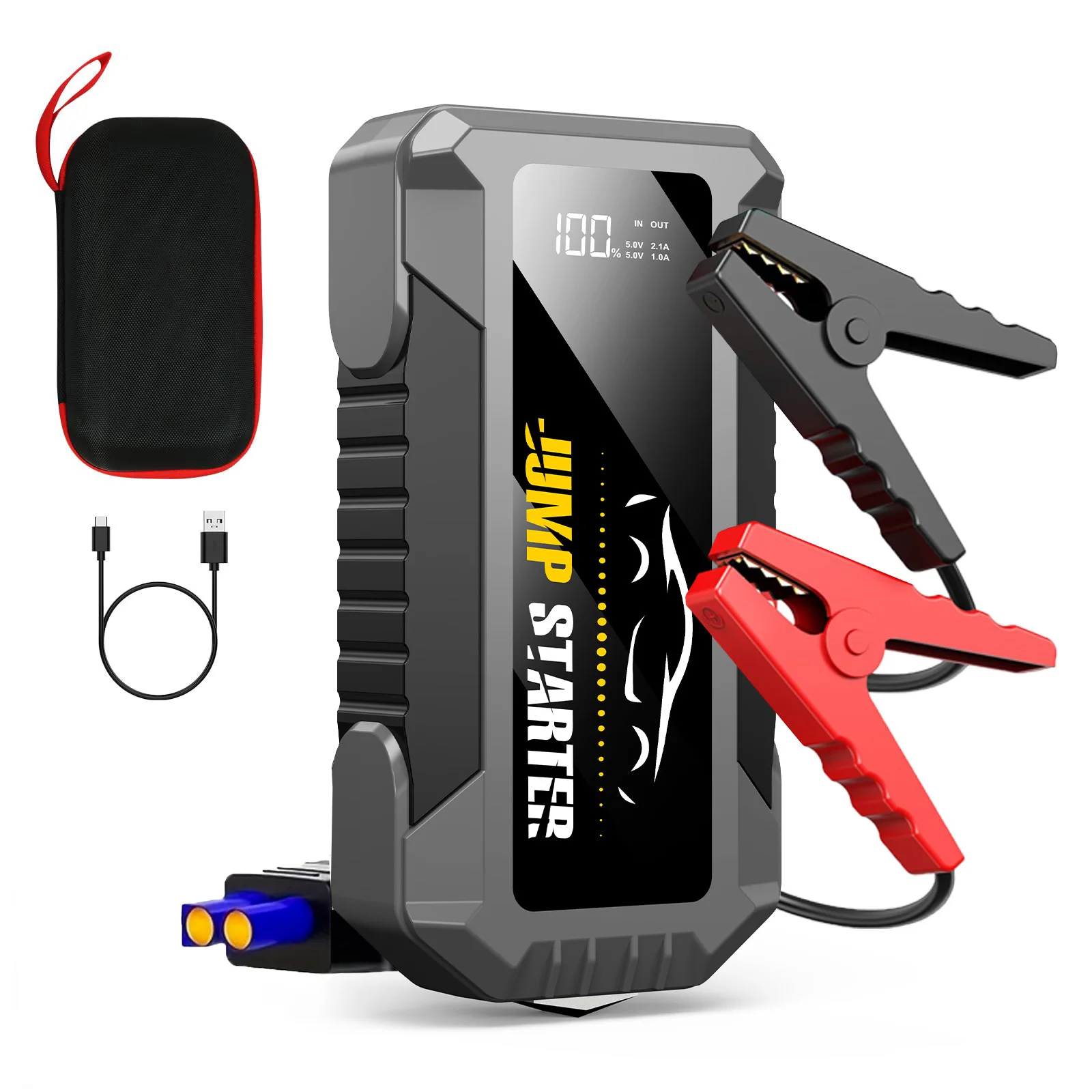
The first and perhaps most critical item in your arsenal is a reliable way to start your vehicle when the battery fails. Traditional jumper cables require another vehicle and a willing participant, which isn’t always an option. A 5000A car jump starter gives you a practical way to restart a compatible vehicle battery without waiting for another driver. These portable units often double as high-capacity power banks, ensuring your mobile devices stay charged during extended outages.
Electric Jack and Tire Support
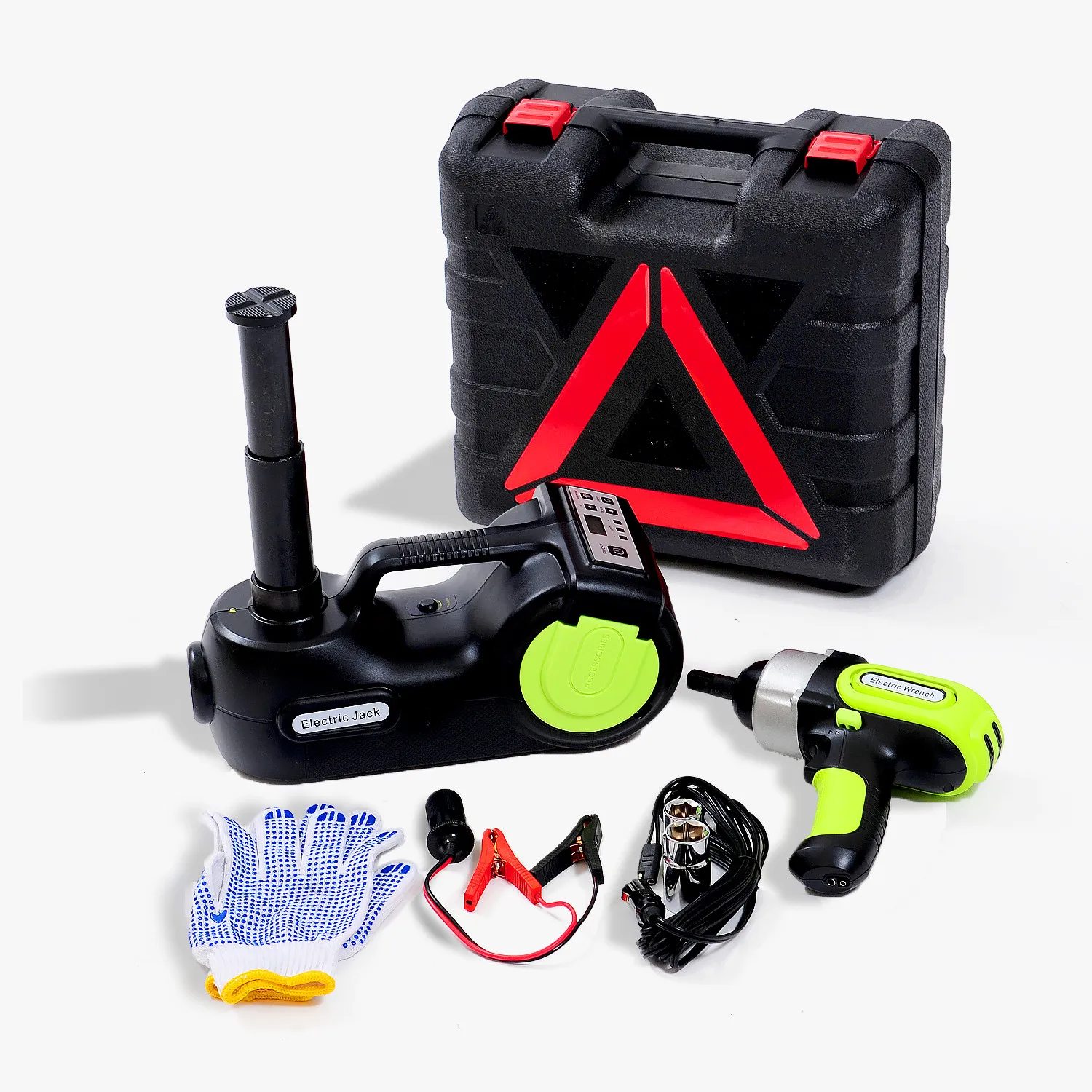
Flat tires are another common roadside headache. While most cars come with a manual jack, they can be difficult and physically demanding to use, especially on uneven ground or in the dark. An electric car jack simplifies this process entirely. Professional kits, such as a 5-ton hydraulic lift, may include a built-in air compressor and an electric impact wrench, giving you more support during roadside tire work than a basic manual jack. This level of utility is especially helpful for drivers who travel solo, carry heavier loads, or spend time in remote areas.
Emergency Radio and Communication
Communication and information are your lifelines when you’re off the grid. If your vehicle’s power system is completely down, you need an independent source of energy and news. An emergency solar radio with a 10000mAh battery provides critical NOAA weather alerts and FM/AM frequencies while offering multiple charging methods like solar, hand-crank, and USB. This ensures you stay informed about changing conditions even if you’re stranded far from a power outlet.
When Roadside Emergency Gear Matters
Emergency gear is not only for extreme scenarios; it is for reducing stress when ordinary travel turns difficult. Winter driving, desert highways, mountain routes, and long stretches without reliable cell service all create different risks. In these situations, a self-contained roadside setup with an electric car jack kit can help you handle tire support and basic roadside problems with more confidence while you decide whether professional assistance is still needed.
Overlanding and camping also demand specialized power solutions. When you’re running refrigerators, lights, and GPS units at a remote campsite, the risk of draining your primary vehicle battery is high. Carrying a dedicated portable power station or a high-capacity car jump starter provides a safety net, helping you support essential gear while reducing the risk of being unable to start your engine the next morning.
Car Emergency Gear Packing Tips
Always prioritize multi-functional tools and keep your car emergency gear organized in one accessible place. A strong roadside kit should cover:
- Power: jump starter, backup charging, and compatible cables.
- Tire support: electric jack, tire-pressure support, gloves, and basic roadside tools.
- Communication: emergency radio, weather alerts, and backup charging options.
- Visibility: reflective triangles, light sources, and SOS signaling.
- Organization: a dedicated storage area so essential items are easy to reach.
Maintenance of your emergency gear is just as important as the gear itself. Lithium-ion batteries in jump starters and power stations naturally lose charge over time. Make it a habit to check and recharge your units every three to four months. Additionally, familiarize yourself with the operation of your tools in a controlled environment. Knowing exactly how to position your electric jack or connect your jump starter clamps in the driveway will save you stress and time when you’re forced to do it on a dark, rainy shoulder.
Final Thoughts
Preparation is the hallmark of a seasoned traveler. By equipping your vehicle with focused car emergency gear like a jump starter, an electric jack kit, a portable power station, and a reliable emergency radio, you create a more capable roadside-ready setup. The open road offers freedom, but it also rewards drivers who plan around real conditions instead of hoping every trip goes smoothly.
Related MAXELTI Active Gear
The most useful roadside setup usually starts with dependable power, tire support, and communication. A 5000A car jump starter supports battery emergencies, an electric car jack kit helps with tire-related situations, an emergency solar radio adds weather and communication backup, and the ALLPOWERS R600 power station can support longer off-grid power needs.
Build Your Roadside Emergency Setup
Start by choosing the essentials that match your vehicle, route, climate, and trip length. Compare road-ready equipment in Vehicle & Overland Gear, then continue with the Overlanding Gear Essentials guide if you are planning longer off-grid travel.






0 Comments