
Outdoor Gear Checklist for Practical Trip Planning
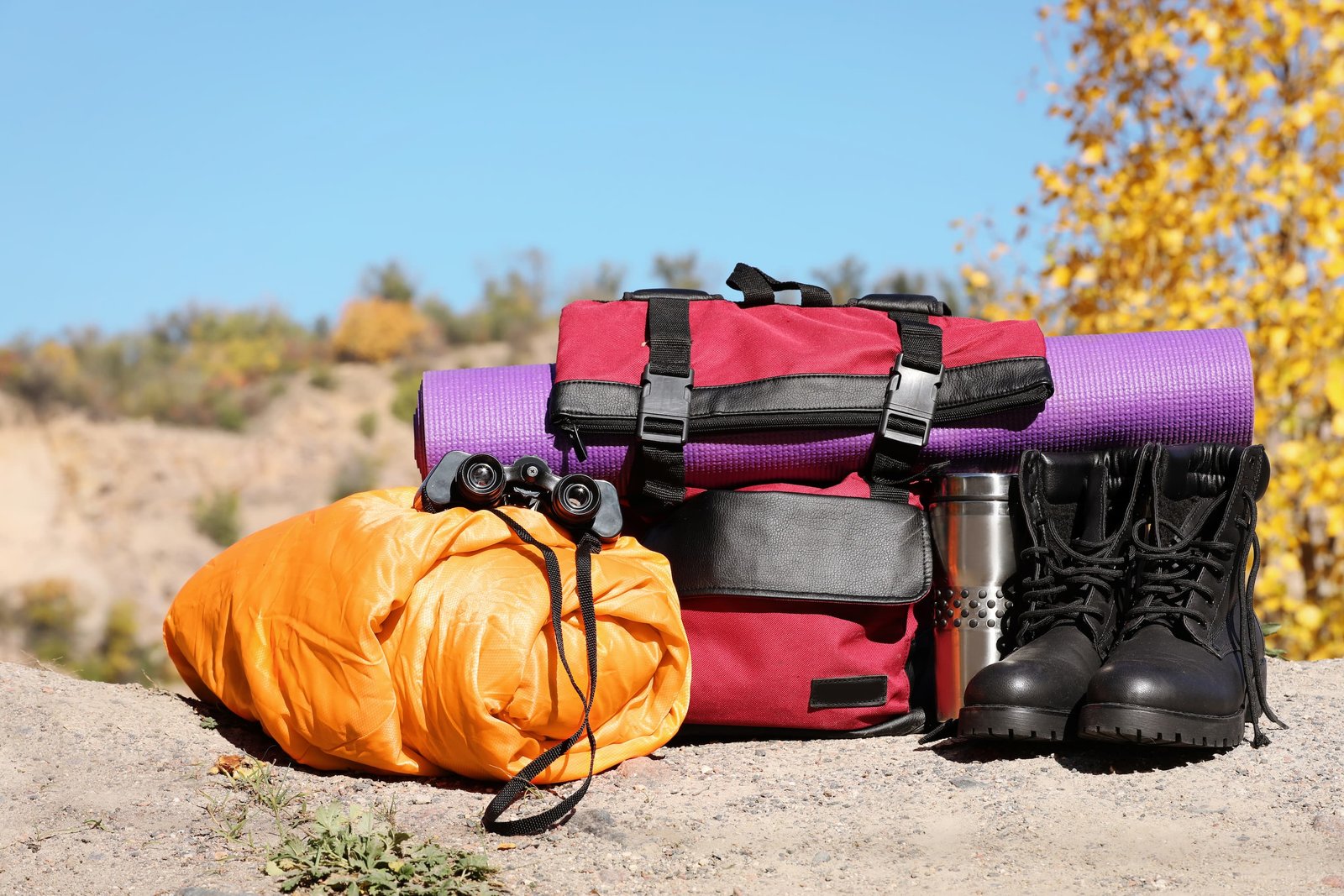
An outdoor gear checklist should help you prepare for real conditions, not encourage you to pack every item you own. The right list depends on your activity, trip length, terrain, weather, vehicle access, and comfort level. A short day hike, a family camping weekend, and a remote overlanding route all require different priorities, but each setup should cover shelter, water, power, communication, navigation, tools, and emergency readiness.
The goal is to build a kit that is organized, dependable, and easy to use under pressure. Gear should solve a clear problem: keeping you dry, helping you carry weight comfortably, keeping devices powered, improving visibility, or supporting basic roadside and camp tasks. When each item has a purpose, your setup becomes lighter, cleaner, and more reliable.
Core Outdoor Gear Categories
Shelter, Clothing, and Weather Protection
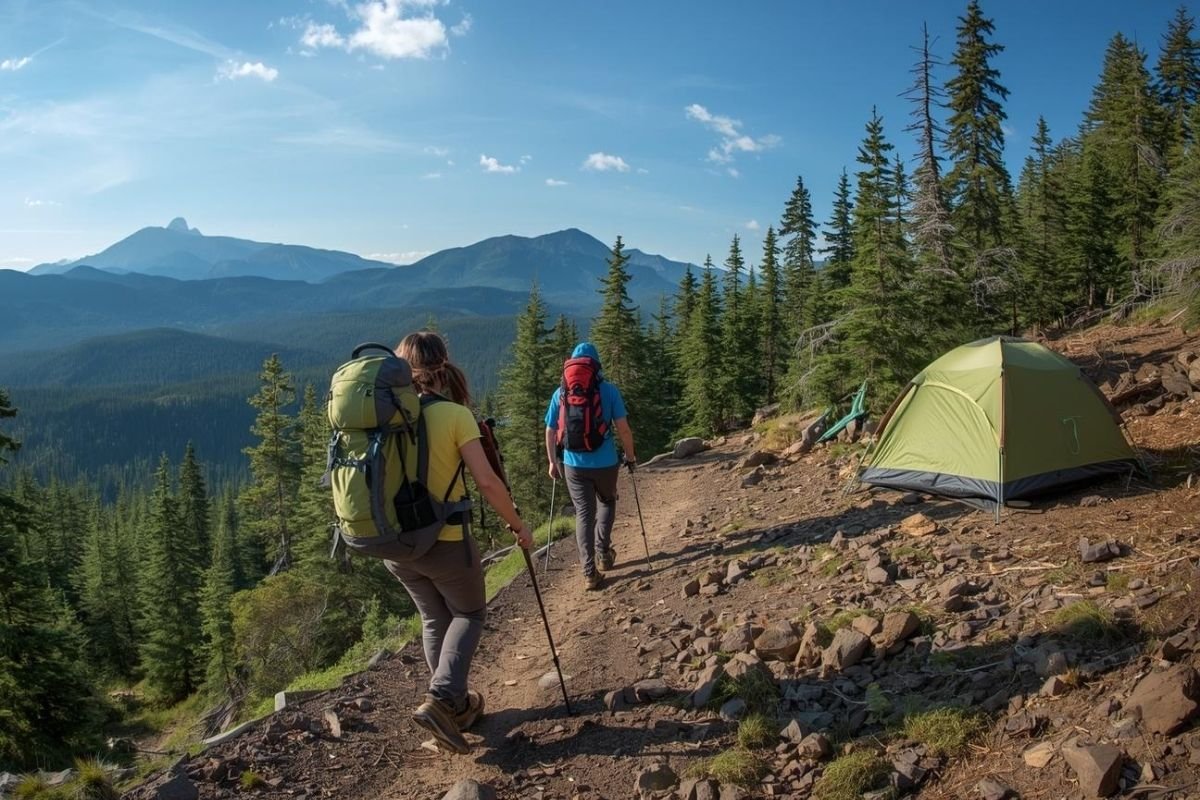
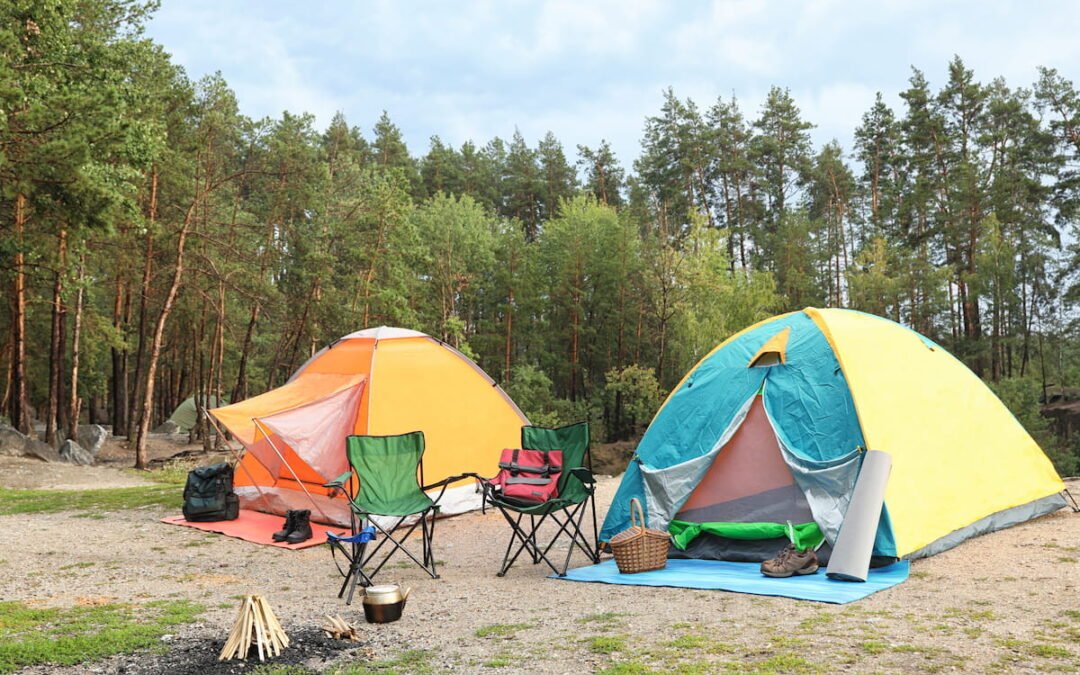
Start with protection from the environment. Choose shelter, layers, and rain protection based on the forecast and the worst conditions you could reasonably face. For camping or longer trips, your shelter should be easy to set up, stable, and appropriate for the season. Clothing should follow a layering system: moisture management, insulation, and a weather-resistant outer layer.
Power, Communication, and Navigation
Modern outdoor travel often depends on phones, GPS, lights, radios, and rechargeable tools. An emergency solar radio can support weather awareness and backup communication, while a solar power bank 40000mAh can help keep small devices charged during longer outings. Do not rely on one device only; carry backup options and know how to use them before the trip.
Tools, Safety, and Vehicle Readiness
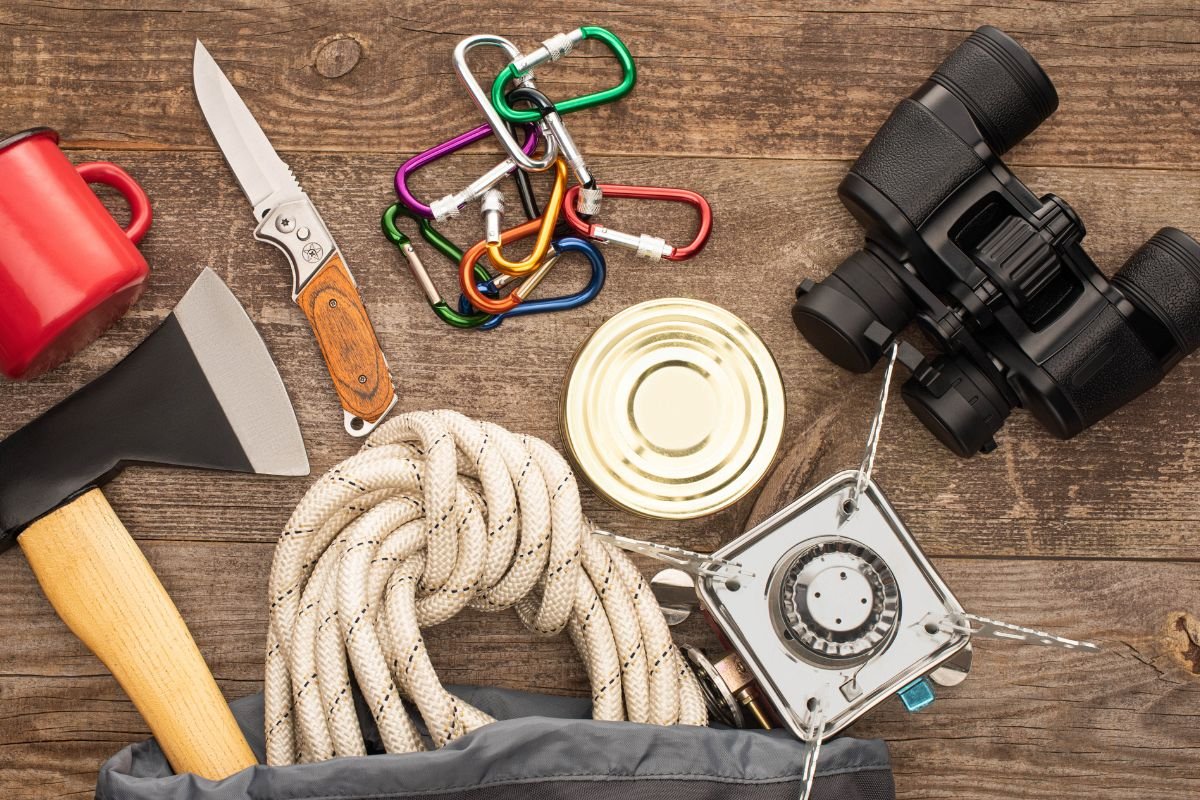
Tools should match the trip. A small repair kit, first-aid basics, lighting, and a reliable knife can support many outdoor situations. Vehicle-based trips may also require roadside gear. A 5000A car jump starter can support battery-related emergencies, while an electric hydraulic jack can be useful for drivers who need stronger tire-support equipment during vehicle travel.
Outdoor Gear Checklist
Use this checklist as a starting point, then adjust it for your route, group size, season, and vehicle access:
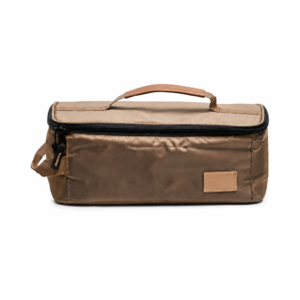
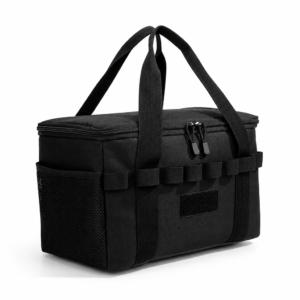
- Carry system: backpack, dry bags, storage pouches, and quick-access pockets.
- Weather protection: rain layer, insulation, sun protection, and shelter if staying overnight.
- Power and communication: radio, charged phone, power bank, cables, and backup light.
- Safety basics: first-aid kit, whistle, fire starter, repair items, and visibility tools.
- Vehicle support: jump starter, tire support, gloves, and roadside lighting for overlanding or road trips.
Packing and Maintenance Tips
Pack heavy items close to your back and keep essentials easy to reach. Items such as first aid, lighting, water treatment, and communication gear should not be buried at the bottom of a bag. For vehicle trips, secure heavy equipment so it does not shift while driving. Before each trip, recharge electronics, inspect batteries, confirm cables are present, and check that tools are clean and functional.
Final Thoughts
A useful outdoor gear checklist is flexible. It should help you choose the right equipment for the trip instead of forcing the same setup into every situation. Start with the essentials, test your gear before relying on it, and refine the list after each outing. Preparedness is not about carrying more; it is about carrying the right items and knowing how they work together.
Build Your Outdoor Readiness Setup
For broader buying guidance, continue with How to Choose Outdoor Gear, or compare more options in the Outdoor Gear category.


0 Comments